
The Course of Independent Study (CIS) is a distinctive 3-credit academic pathway that offers students a valuable opportunity to engage in research-oriented learning through a faculty-mentored project in place of one course within their curriculum. Designed to nurture intellectual curiosity, innovation, and critical thinking, the course enables students to immerse themselves in hands-on research through laboratories, field-based work, or Centres of Excellence. Under close faculty guidance, students identify research problems, pursue structured inquiry, and develop meaningful academic outcomes. Credits are earned through consistent progress, active participation in review milestones, successful completion of the project, and the preparation and submission of a research paper to a Scopus-indexed journal, conference, or other approved scholarly platform—positioning students for early exposure to high-quality research and scholarly contribution.

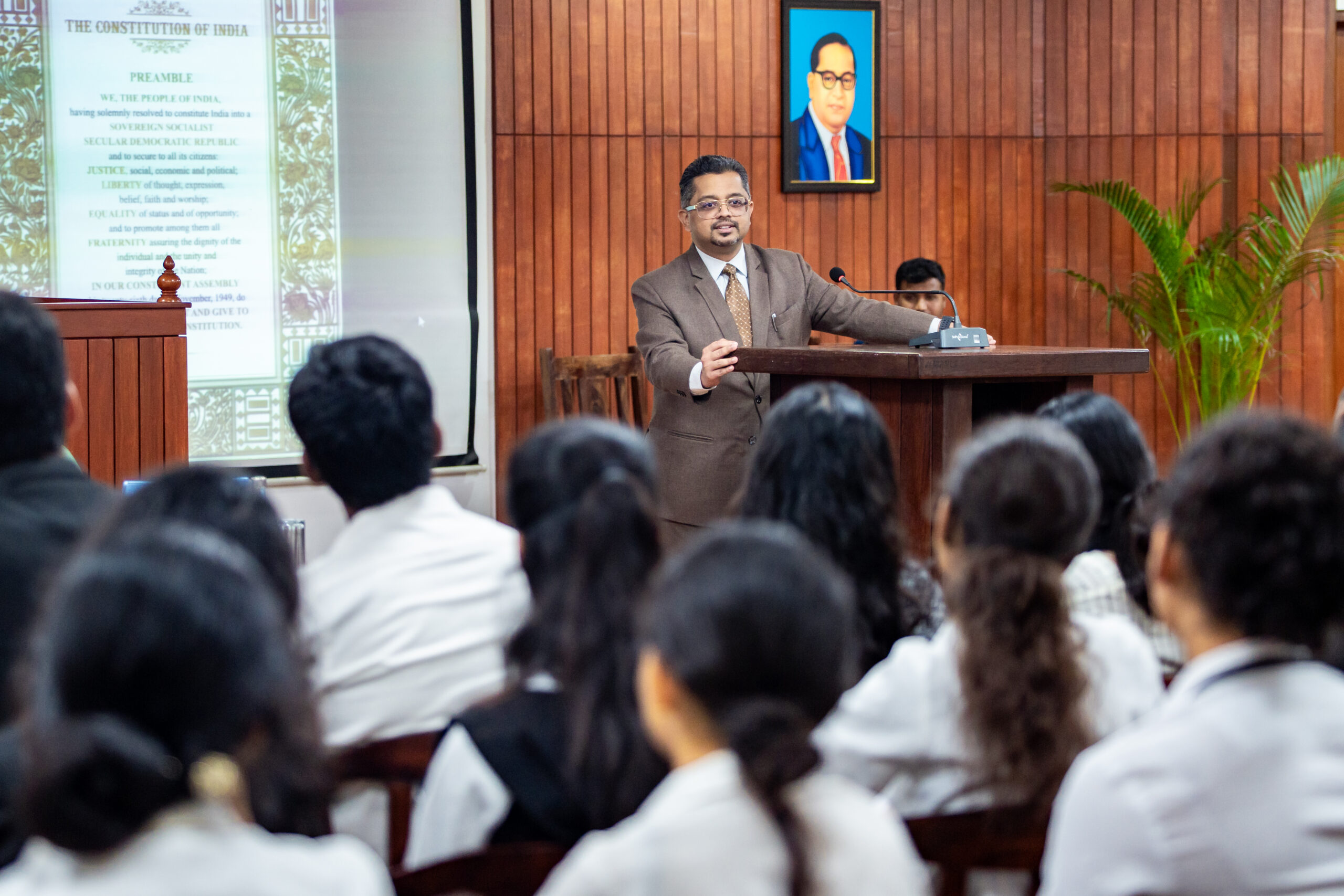
With a research–focused approach, the Alliance School of Law presents a world–class LL. B. programme, approved by the Bar Council of India, meeting all essential standards for the highest quality learning. Our meticulously designed programme, guided by experienced faculty, emphasizes a robust foundation in law through rigorous study, training, and research.
Regular moot court sessions and conclaves, featuring eminent lawyers and corporate leaders, are integral to the programme, exposing students to real–world scenarios. The curriculum provides enriching experiences, fostering key skills for success in the legal field. Students also gain access to centres of excellence, engaging in activities such as publications, newsletters, drafting, litigation, and conveyancing.
Duration
3 Years (6 Semesters)


Why Choose
Bachelor of Law (LL.B.)
at Alliance University?
Bachelor of Law (LL.B.)
at Alliance University?
Supporting Features
Distinguished Legal Pedagogy
Delivered by highly experienced academics from top law institutions.
Eminent Practitioner Engagement
Regular expert sessions and conclaves with eminent lawyers of the country.
Specialized Research Ecosystem
Research assistance and avenues under different research centers.
Applied Advocacy & Litigation Training
Robust moot-court sessions and visits to courts.
Strategic Institutional Alliances
Academic and internship tie-ups with top corporate and law firms.
Corporate Placement Excellence
Placement assistance in top multinational corporations.
| Course | Category |
|---|---|
| Legal Methods and Legal Systems | PC |
| General Principles of Contract | PC |
| Law of Crimes (IPC) | PC |
| Family Law - I | PC |
| Constitutional Law - I | PC |
| Design Thinking | SEC |
| Activity Points 1 | LBC |
| Course | Category |
|---|---|
| Specific Contracts | PC |
| Law of Tort, Motor Vehicle Accident & Consumer Protection Laws | PC |
| Law of Criminal Procedure (BNSS), Probation of Offenders Act & Juvenile Justice Act | PC |
| Constitutional Law - II | PC |
| Family Law - II | PC |
| Open Elective | OE |
| Activity Points 2 | LBC |
| Course | Category |
|---|---|
| Property Law | PC |
| Public International Law | PC |
| Jurisprudence | PC |
| Administrative Law | PC |
| Professional Ethics and Professional Accounting System (Clinical Paper I) | CP |
| Disaster Management | VAC |
| Open Elective | OE |
| Activity Points 3 | LBC |
| Course | Category |
|---|---|
| Interpretation of Statutes | PC |
| Private International Law | PC |
| Company Law | PC |
| Law of Evidence (Bharatiya Sakshya Adhiniyam) | PC |
| Labour and Industrial Laws - I | PC |
| Excel and Power Point | UC |
| Personal Finance | UC |
| Activity Points 4 | LBC |
| Course | Category |
|---|---|
| Environmental Law | PC |
| Taxation Law | PC |
| Civil Procedure Code and Limitation Act | PC |
| Labour and Industrial Laws - II | PC |
| Alternative Dispute Resolution (Clinical Paper II) | CP |
| IKS: Indian Legal Thoughts | UC |
| Data Analytics in Power BI | UC |
| Course | Category |
|---|---|
| Intellectual Property Law | PC |
| Competition Law | PC |
| Drafting, Pleading and Conveyance (Clinical Paper III) | CP |
| Moot Court and Internships (Clinical Paper IV) | CP |
| Law and Leadership | SEC |
| UHV | UC |
Course Categories:
UC : University Core || PC : Progrxam Core || PC-BS : Program Core - Basic Sciences || PC-ES : Program Core - Engineering Sciences || OE : Open Elective || OEL : Open Elective Languages || AEC : Ability Enhancement Courses || SEC : Skill Enhancement Courses || LBC : Learning Beyond Classroom
‹ PREV
NEXT ›
University Core
The University Core is an integral component of the curriculum designed to provide students with a holistic, value-based, and interdisciplinary education beyond their core technical domain. It reflects Alliance University’s commitment to developing well-rounded graduates equipped with ethical awareness, social responsibility, and a global outlook.
This segment includes courses such as Universal Human Values, Environmental Science, Indian Knowledge Systems, Disaster Management, Legal Awareness & IPR, and Sustainable Development Goals (SDGs). These courses enable students to understand the broader societal, environmental, and legal implications of technology and engineering practices.
The University Core emphasizes:
a) Ethical decision-making and professional responsibility
b) Sustainability and environmental consciousness
c) Cultural awareness and societal engagement
d) Legal literacy and intellectual property awareness
By integrating these dimensions, the University Core ensures that graduates are not only technically proficient but also socially conscious, ethically grounded, and globally competent professionals.
This segment includes courses such as Universal Human Values, Environmental Science, Indian Knowledge Systems, Disaster Management, Legal Awareness & IPR, and Sustainable Development Goals (SDGs). These courses enable students to understand the broader societal, environmental, and legal implications of technology and engineering practices.
The University Core emphasizes:
a) Ethical decision-making and professional responsibility
b) Sustainability and environmental consciousness
c) Cultural awareness and societal engagement
d) Legal literacy and intellectual property awareness
By integrating these dimensions, the University Core ensures that graduates are not only technically proficient but also socially conscious, ethically grounded, and globally competent professionals.
Majors
The Master of Laws (LL.M.) programme at Alliance University features a highly advanced, research-intensive Major Specialization structure. While all students undertake compulsory core courses, they also choose a specific major track to develop deep expertise in a focused legal domain.
Major Specializations
Constitutional Law & Human Rights
- International Human Rights Law
- Comparative Constitutional Law
- Constitutionalism and Democracy
- Human Rights and the Constitution of India
- Human Rights and Health Care
- Technology and Human Rights
Corporate Law
- Foundations of Company Law
- Corporate Finance Law
- Law Relating to Corporate Restructuring
- Law relating to Insolvency and Bankruptcy
- Corporate Governance Law and CSR
- Law and Ethics in Business and Finance
Crime and Forensics Law
- Criminology, Penology and Victimology
- Policing – Law and Policy
- Principles of International Criminal Law
- Crimes and Forensic Investigations
- Economic Crimes – Law and Regulation
- Terrorism and Human Rights
Intellectual Property Law
- General Principles of IPR Law and International Protection of IPR
- Copyrights, Industrial Designs and Related Rights
- Trademarks and Related Rights
- Patents and Allied Rights
- Biotechnology and the Law
- IP and Creative Industries
IT and Data Protection Law
- Privacy and Data Protection Law
- Law Relating to E-Commerce and Electronic Transactions
- Global Internet Governance
- Telecommunication and Media Laws
- Law relating to AI, IoT, and Blockchain
- Digital Equity – Law and Policy for Technology Accessibility
Law, Climate Change and Sustainability
- Energy Law and Climate Change
- Arbitration of Nuclear and Climate Disputes
- Biodiversity, Human Rights, and Trade
- Nuclear Energy Law
- ESG and Sustainability – Law and Policy
- Climate Justice
Trade and Commercial Law
- Law Relating to E-Commerce and Electronic Transactions
- Competition Law
- International Foreign Investment Law
- International Dispute Resolution
- International Trade Law
- Transnational Problems in Commercial Contracts
Minors
The Minor Pathways are designed to provide students with focused specialization beyond their core discipline, enabling them to build domain depth in emerging and high-demand areas. Introduced as a structured academic pathway from the second year onwards, minors allow learners to align their academic journey with career aspirations, industry trends, and interdisciplinary interests.
A key highlight of this framework is the flexibility offered to students to choose any minor track based on their interests and career goals, empowering them to personalize their learning journey and explore interdisciplinary domains without constraints.
The Minors framework emphasizes:
- Specialized skill development in cutting-edge domains
- Hands-on learning through labs, projects, and industry-aligned tools
- Integration of certifications and real-world applications
- Enhanced employability through domain-focused expertise
By complementing the Program Core with targeted specialization, the Minor Pathways empower students to graduate with multi-dimensional competencies, making them adaptable, future-ready professionals capable of thriving in dynamic and technology-driven environments.
Minors List
- Aeronautics
- Astronautics
- Unmanned Aerial Vehicles (UAV)
- Avionics
- Structural Engineering
- Geoenvironmental & Infrastructure Engineering
- Nature Based Solutions
- Sustainable Technology
- Smart Systems
- Game Development
- Business Systems
- Quantum Computing
- Data Science
- Software Product Development
- Artificial Intelligence & Futuristic Technologies
- Artificial Intelligence & Machine Learning
- Cyber Security
- iOS Application Development
- Data Engineering
- Full Stack Development
- Cloud Computing
- Natural Language Processing and Text Analytics Systems
- Computer Vision and Image Analysis
- AI in Autonomous Systems
- Blockchain Technologies
- Internet of Things
- DevOps
- Immersive Technology
- Advanced AI and Blockchain
- AI for Healthcare and Life Sciences
- AI for Robotics and Automation
- Cybersecurity and Privacy in AI
- Data Analytics
- Embedded System and IoT
- Next Generation Wireless Communication Systems
- VLSI Design
- Bio Medical Engineering
- Automotive Electronics
- Semiconductor Technology
- Electric Vehicle Technology
- Energy Management and Audit
- Smart Grid and E-Mobility
- Green Technology
- Robotics and Automation
- Smart Manufacturing Technology
- Performing Arts and Creative Technologies
- Business Studies
- Computer Science
- Data Science
- Economics
- Fine Arts
- Literary & Cultural Studies
- Media & Film Studies
- Political Science
- Psychology
- Sociology
- Chemistry
- International Relations
- Mathematics
- Philosophy
- Physics
- Public Policy
Open Electives
Open Electives offer students the freedom to broaden their intellectual horizons beyond the boundaries of their core programme. In the spirit of NEP 2020's multidisciplinary vision, these courses are drawn from across the university's academic portfolio, enabling students to explore adjacent domains — from consumer technology and sustainable systems to entrepreneurship and social innovation. By choosing Open Electives, students develop cross-functional awareness and the ability to contextualise engineering solutions within broader societal, economic, and environmental frameworks. Open Electives are offered in Semesters 3, 4, and 7, ensuring that exposure to diverse disciplines is distributed meaningfully across the programme.
OE List:
- Financial Decision Making
- HR Metrics and Benchmarking
- Entrepreneurial Ventures
- Personal Finance
- Sustainability & Resource Optimization
- Stock Market Investing
- Global Governance
- Entrepreneurial Marketing
- Branding Strategies
- Supply Chain Management
- Bharatanatyam
- Kuchipudi
- Carnatic Music
- Kathak
- Introduction to Constitution of India
- Data Protection and Privacy Laws
- Global Internet Governance
- Technology and E-Commerce Laws
- Media & Entertainment Law
- A Primer on Consumer Protection Law
- Introduction to Human Rights Law
- Right to Information – Law & Practice
- Basics of Competition Law
- Educational Policy, Planning, and Administration
- Happiness Engineering
- Qualitative Research for Social Sciences
- Climate Finance
- Disaster Risk Reduction
- Design Thinking
- Design for Social Good
- Adobe Creative Suite – I (Photoshop) (computer lab with Windows and Adobe software required)
- Adobe Creative Suite – II (Illustrator, InDesign) (computer lab with Windows and Adobe software required)
- Digital Literacy and Emerging Technologies
- Generative AI Concepts, Tools, and Creative Applications
- Cybersecurity Awareness and Ethical Hacking Basics
- Emerging Technologies and Their Societal Impact
- Governing the Metaverse: Digital Sovereignty and Virtual Politics
- Experimental Drawing: Beyond Traditional Boundaries
- The Art of Seeing: Fundamentals of Visual Perception
- Branding and Identity Design: Logos & Beyond
- Community Engagement
- Communicative English for the Workplace
- Reading Popular Culture: Cinema, Comics, and Contemporary Media
- Indian Economy
- Psychology of Interpersonal Relationships
- Human-Computer Interaction
- Practical Ethics
- Technology, Culture and Society
- Global Minds, Local Hearts: Cultural Intelligence for the 21st Century
- Introduction to Quantum Computing
- Ethics of Artificial Intelligence
- Philosophy for Beginners
- Indian Writings in English
- Green Chemistry
- Audio-Visual Recording and Editing
- Film Appreciation
- The Art of Storytelling
- Writing for the Contemporary: Communication in the Age of AI
- Leadership Lessons from Literature, Theatre, and Cinema
- Introduction to Drawing and Sketching
- Calligraphy and Typography in Art
- Conceptual and Contemporary Painting
- Renewable Energy Sources
- Technology Diplomacy
- Automation in Daily Lives
- Automotive Basics
- Drone Applications
- Building Interiors and Landscaping
- Waste to Energy
- Nature-Based Solutions
- Solving for Bharat
PEO (Program Educational Objectives)
Graduates will demonstrate sound knowledge of substantive and procedural laws and their application to real-world legal problems.
Graduates will be equipped with strong research, drafting, negotiation, and dispute resolution skills to thrive in legal, corporate, and regulatory environments.
Graduates will act as socially responsible legal professionals, promoting justice, fairness, and sustainable development.
Graduates will be adept in legal technology, data-driven decision-making, and cross-border legal practice.
Graduates will engage in ongoing professional development and be adaptable to evolving legal, societal, and technological landscapes.
PSO (Program Specific Outcomes)
Transition into legal practice or judiciary with a strong foundation in advocacy, drafting, and research.
Provide legal solutions to contemporary societal issues using legal tools, client-centric approaches, and policy insights.
PO (Program Outcomes)
Demonstrate understanding of legal concepts, constitutional values, statutes, case laws, and international legal frameworks. (K1, K2)
Analyze and interpret legal problems using logical reasoning, doctrinal tools, and comparative frameworks. (K4, K5)
Employ doctrinal, empirical, and digital research methods to explore, interpret, and solve complex legal issues. (K3, K4, K5)
Communicate persuasively in legal contexts through structured arguments, reports, drafting, and oral advocacy. (K3, K6)
Utilize legal tech tools and digital platforms for research, compliance, advocacy, and practice management. (K3, K4)
Develop practical solutions to societal challenges using legal knowledge, ethics, and policy insights. (K5, K6)
Apply professional codes of conduct and demonstrate integrity, confidentiality, and accountability. (K2, K5)
Function effectively in diverse teams, understanding roles in adversarial and collaborative legal settings. (K2, K3)
Demonstrate initiative, vision, and leadership in legal, civic, and entrepreneurial contexts. (K5, K6)
Contribute to community legal empowerment, access to justice, and policy reforms. (K3, K5)
Integrate legal thinking with insights from business, technology, politics, and social sciences. (K4, K5)
Understand and respond to global legal developments, including cross-border practice and international human rights. (K2, K4)
Activity Points
Mandatory, non-graded credits (MNG) that track your Co/Extra-curricular & community work. Collect 100 points every semester to stay degree-eligible and prove you\\\\\\\'re more than a GPA!
Program Core
The LLB program core at the Alliance School of Law is a rigorous curriculum designed to build a strong foundation in both substantive and procedural law. It integrates essential Bar Council of India (BCI) mandated subjects, including Constitutional Law, Family Law, Law of Crimes, and Property Law, alongside a focus on Jurisprudence and Legal Methods. Beyond traditional theory, the core emphasizes clinical legal education through mandatory papers on drafting, pleading, and conveyance, as well as professional ethics. Students are further required to engage in experiential learning via moot court simulations, legal aid clinics, and internships to bridge academic knowledge with practical advocacy. This structured approach ensures graduates develop the critical thinking, research, and interpretation skills necessary for global legal practice. The program also offers specialized honors tracks in Business Law, IPR, Criminal Law, and International Law.
Open Electives Languages (OEL)
The Language Open Electives (OEL) are designed to develop global communication skills and cultural literacy, essential for success in international and multicultural environments. These courses are offered in two progressive levels, enabling students to build both foundational and intermediate proficiency. These courses enhance linguistic abilities, cultural awareness, and global employability, preparing students to engage effectively in diverse professional environments.
Open Elective Languages (OEL) List:
OEL – I: Language Foundations
Students choose one language:
- French Language – I
- German Language – I
- Hindi Language – I
- Kannada Nudi – I
- Kannada Kaushala – I
- Spanish Language – I
OEL – II: Language Proficiency Enhancement
Students continue the same chosen language:
- French Language – II
- German Language – II
- Hindi Language – II
- Kannada Nudi – II
- Kannada Kaushala – II
- Spanish Language – II
Ability Enhancement Courses (AEC)
The Ability Enhancement Courses (AEC) are designed to equip students with essential professional, cognitive, and life skills that complement their technical education. This component focuses on building competencies critical for academic success, career readiness, and holistic personal development in a dynamic and competitive global environment.
AECs encompass a wide range of skill-oriented modules, including communication and verbal ability, analytical and critical thinking, data interpretation, digital proficiency, industry-relevant tools, and emerging domains such as prompt engineering and Industry 4.0. These courses are delivered through interactive, application-based learning approaches to ensure strong practical skill development.
The AEC framework emphasizes:
a) Effective communication and interpersonal skills
b) Analytical reasoning and problem-solving abilities
c) Digital literacy and tool-based competencies
d) Career readiness and professional development
By integrating these capabilities into the curriculum, AECs aim to ensure that students graduate as well-rounded professionals with strong cognitive abilities, adaptability, and the confidence to excel in diverse professional environments.
Skill Enhancement Courses (SEC)
Skill Enhancement Courses (SEC) are a critical component of the undergraduate curriculum, designed to bridge the gap between theoretical academic knowledge and the practical competencies required in the modern workforce. These courses focus on "learning by doing" and providing students with measurable, transferable skills.
Core Objectives of SEC:
The primary goal of SEC is to improve the employability of graduates by providing them with specialized training that may fall outside their main disciplinary focus. This ensures that students are not just subject-matter experts but are also digitally literate, professionally capable, and industry-ready.
Key Domains of SEC:
Undergraduate programs typically offer a diverse menu of SEC options, categorized into several high-impact areas:
Digital & Technical Proficiency: This includes courses in Data Analytics, Advanced Excel, Python programming, Digital Marketing, and AI-assisted tools. These skills are essential across all sectors, from humanities to engineering.
Communication & Soft Skills: Focuses on professional writing, public speaking, leadership, and emotional intelligence. Training often involves mock interviews and group discussions to prepare students for corporate environments.
Financal & Legal Literacy: Practical courses on Personal Finance, Investment Planning, Taxation, or Cyber Laws, ensuring students understand the regulatory and financial frameworks of their future careers.
Creative & Media Arts: Options such as Content Creation, Video Editing, Podcasting, and Graphic Design for students interested in the creative economy.
The course on Internship will be assessed over the duration of the programme and the marks for the course will be added in Semester VI. Students shall be required to undergo an internship of not less than 20 weeks of internship after the completion of course requirements of Semesters II, IV, VI. The report of each of these internships are to be submitted in the format that may be prescribed by the internship rules of Alliance School of Law. Students will undergo internship in the months of December, June and July. The students will also undergo a Viva Voce after their return from internship. Each internship will carry a total mark of 20 leading to a total of 100 marks in Semester VI. The distribution of marks for each internship shall be as follows:
Criteria Marks
Internship Report 10 Marks
Viva-voce 10 Marks
STUDY ABROAD OPTIONS
International Mobility
Experience global education through our international study opportunities designed to broaden academic perspectives and cultural understanding. These programmes enable students to study at partner universities abroad, gain international exposure, and develop the global competencies needed to succeed in an interconnected world.
An exciting immersion opportunity for Alliance University students to engage with leading multinational companies and innovative startups, offering a unique blend of global learning and practical work exposure abroad, all within just 7 to 14 days.
Short-term programmes lasting 2 to 4 weeks offer students an ideal opportunity to gain international exposure without disrupting their academic schedule.







Alliance University welcomes students from across the world to study, collaborate, and thrive in a truly global learning ecosystem. We combine academic rigour with industry exposure, modern infrastructure with personalised support, and global perspectives with Indian values.
Recognising Effort, Celebrating Success
01
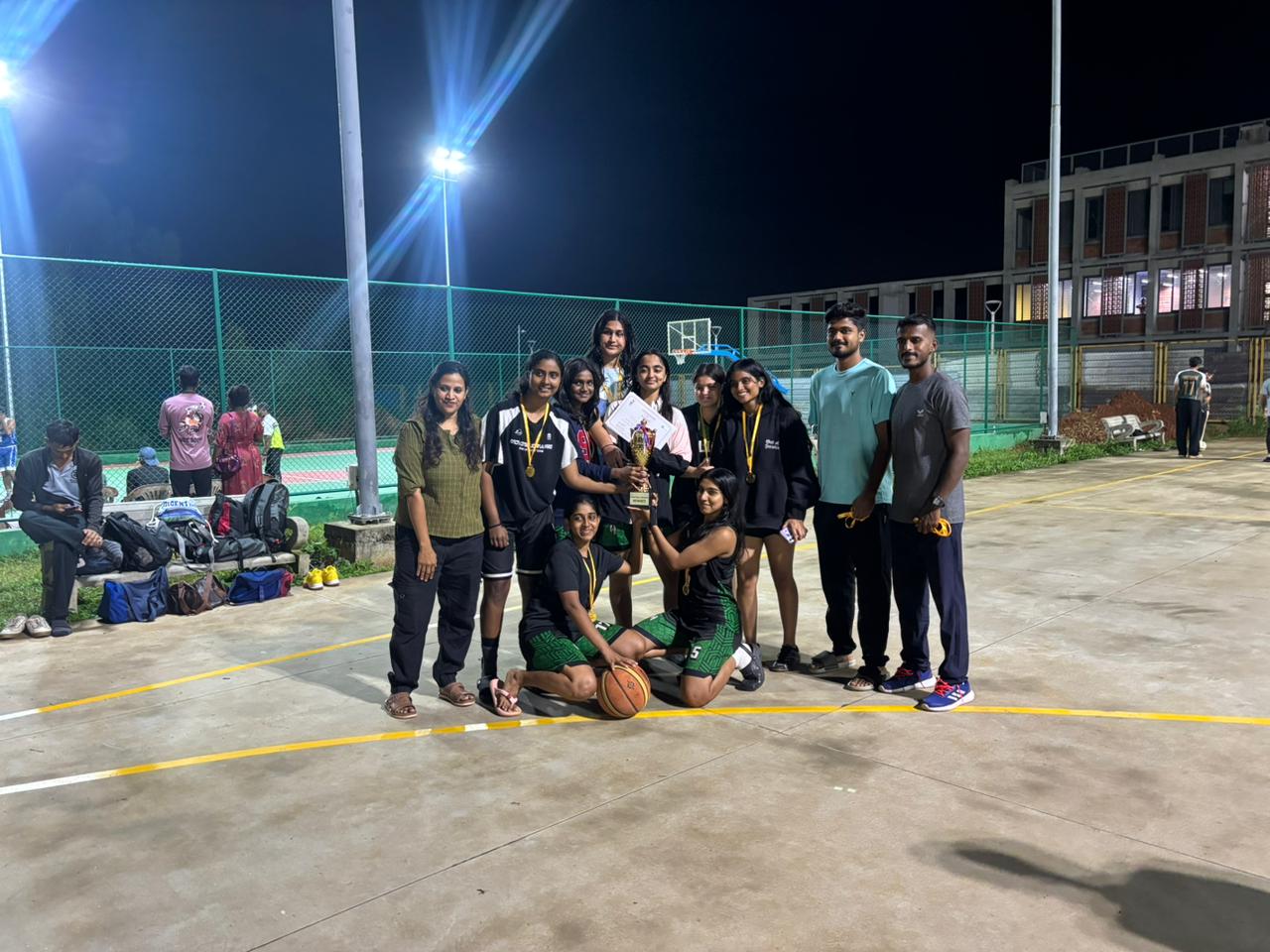
Azim Premji - Basketball Women
02
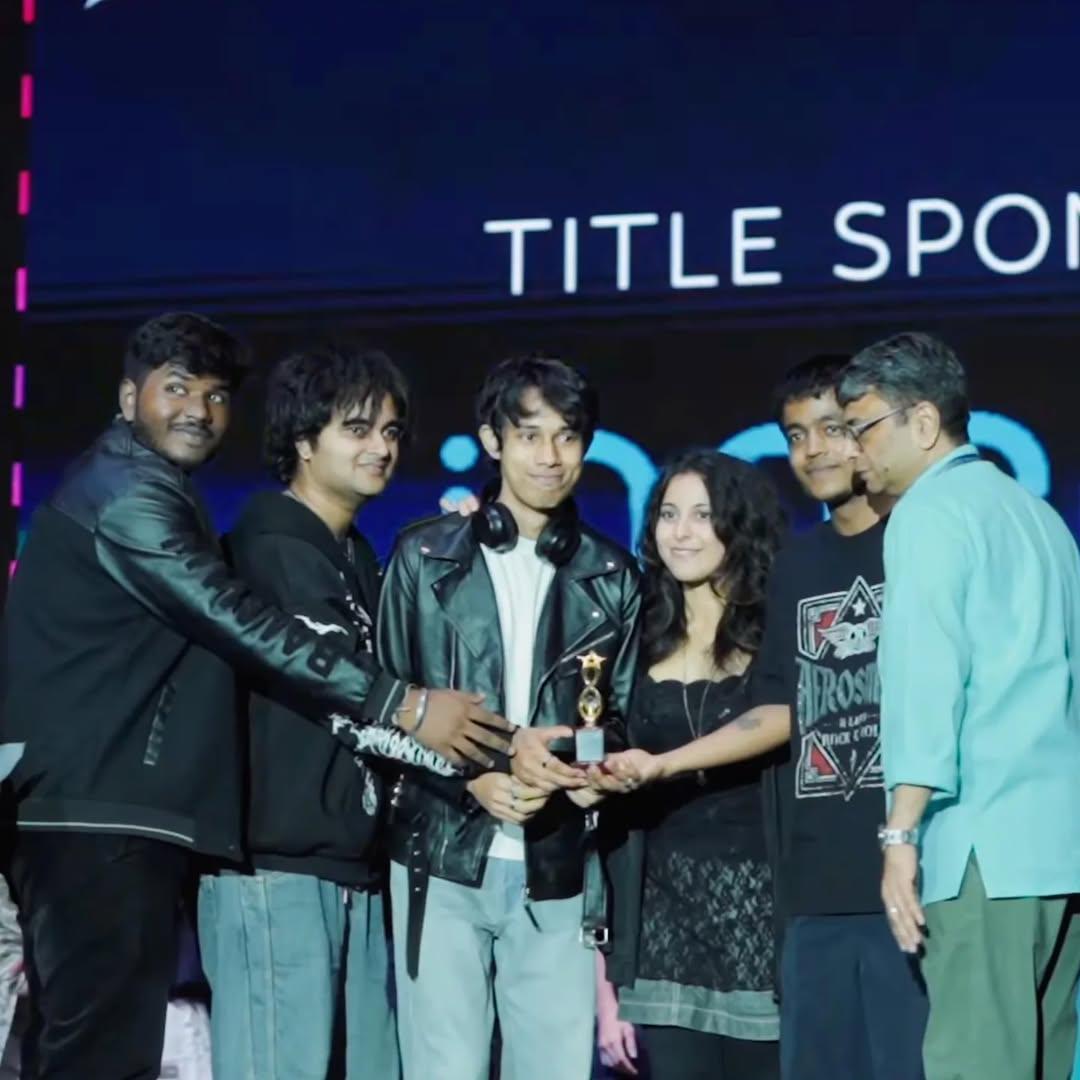
Battle Of Bands - Amrita University
03

IIIT-B Runners - Basketball Womens
04
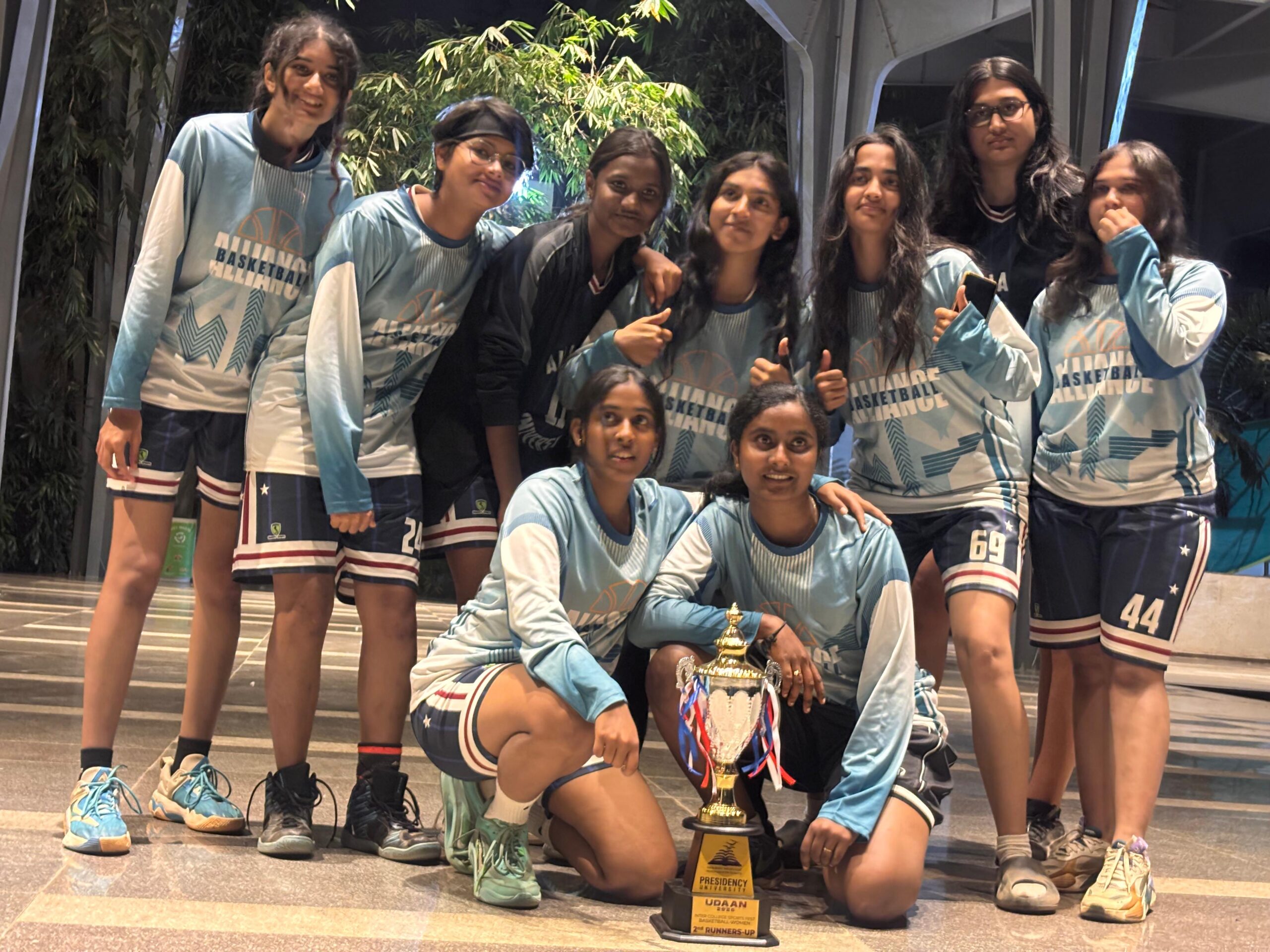
UDAAN presidency University _Women\'s basketball team secured 3rd place
05
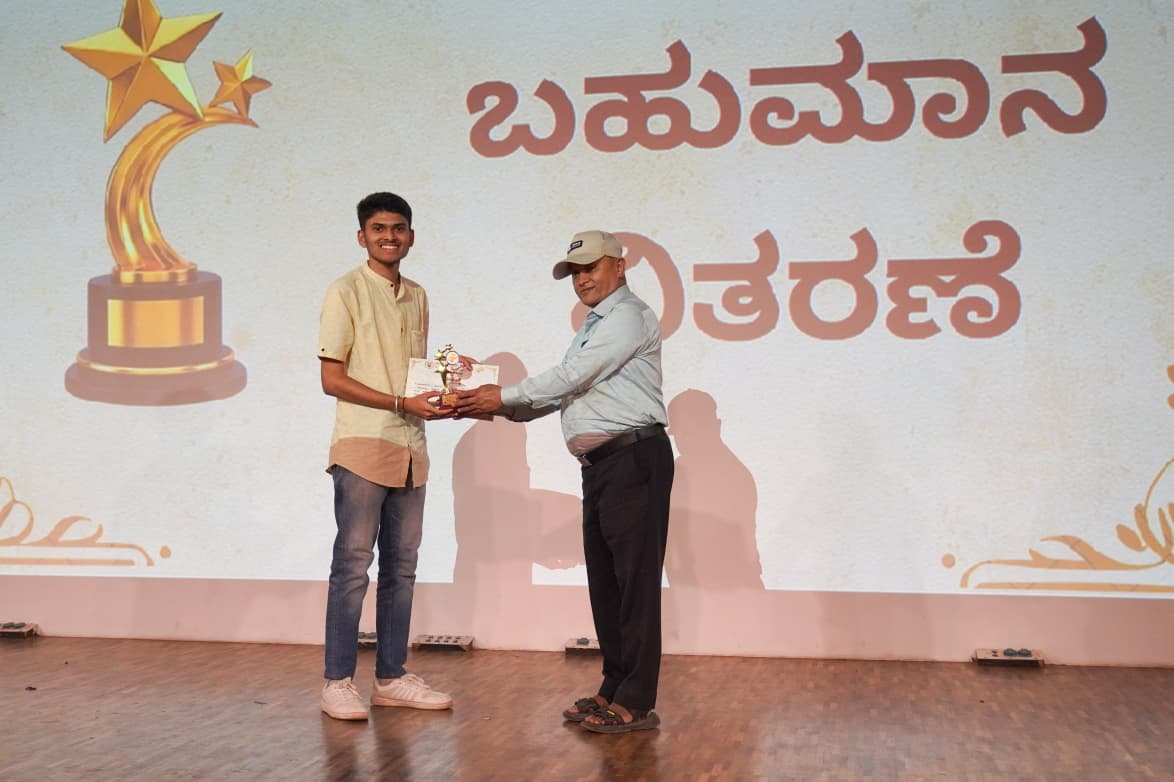
ANIKETHANA 2026_MCC
| Category | Eligibility Criteria |
|---|---|
| General | 10+2 or equivalent with minimum 50% marks OR Diploma with minimum 50% marks |
| Reserved Categories | 5% relaxation for SC / ST candidates |
Program duration
| Entry Level | Program Duration |
|---|---|
| Entry Level | Five Years / Ten Semesters |
ACCEPTED TEST SCORES
| Particulars | Indian Nationals | Foreign Nationals |
|---|---|---|
| Registration Fee (As per admission cycle) | ₹25,000 | US$500 |
| 1st Installment (As per provisional admission offer) | ₹3,25,000 | US$4,300 |
| 2nd Installment | ₹3,50,000 | US$4,800 |
| 3rd Installment | ₹3,50,000 | US$4,800 |
| 4th Installment | ₹3,50,000 | US$4,800 |
| 5th Installment | ₹3,50,000 | US$4,800 |
| Total Program Fee (Includes registration + all installments) | ₹17,50,000 | US$24,000 |
| Category | Eligibility | Scholarship |
|---|---|---|
| Academic Excellence | Class X & XII ≥ 95% | 50% Tuition Fee Waiver |
| AUSAT Scholarship | AUSAT ≥ 90% + X & XII ≥ 75% | 50% Tuition Fee Waiver |
| AUSAT Scholarship | AUSAT ≥ 85% + X & XII ≥ 75% | 35% Tuition Fee Waiver |
| AUSAT Scholarship | AUSAT ≥ 70% + X & XII ≥ 75% | 25% Tuition Fee Waiver |
| AUSAT Freeship | AUSAT ≥ 90% + X & XII ≥ 60% | ₹50,000 One-time |
| AUSAT Freeship | AUSAT 80–89.99% + X & XII ≥ 60% | ₹25,000 One-time |
| CUET Scholarship | CUET ≥ 90% | 30% Tuition Fee Waiver |
| CUET Scholarship | CUET 80–89.9% | 20% Tuition Fee Waiver |
| CUET Scholarship | CUET 70–79.9% | 15% Tuition Fee Waiver |
| Program-Specific Merit | UCEED Score ≥ 200 + X & XII ≥ 70% | 35% Tuition Fee Waiver |
| Program-Specific Merit | UCEED Score ≥ 150 + X & XII ≥ 70% | 25% Tuition Fee Waiver |
| Program-Specific Merit | NIFT Rank 1–3000 + X & XII ≥ 65% | 35% Tuition Fee Waiver |
| Program-Specific Merit | NIFT Rank 3001–6000 + X & XII ≥ 65% | 25% Tuition Fee Waiver |
| Program-Specific Merit | NIFT Rank 6001–7500 + X & XII ≥ 65% | 15% Tuition Fee Waiver |
| Program-Specific Merit | NID DAT Percentile ≥ 90 + X & XII ≥ 70% | 50% Tuition Fee Waiver |
| Program-Specific Merit | NID DAT Percentile 85–89.99 + X & XII ≥ 70% | 35% Tuition Fee Waiver |
| Program-Specific Merit | NID DAT Percentile 80–84.99 + X & XII ≥ 70% | 25% Tuition Fee Waiver |
| Special Merit | X & XII ≥ 90% | 50% Tuition Fee Waiver |
| Special Merit | X & XII ≥ 80% | 30% Tuition Fee Waiver |
| Special Merit | X & XII ≥ 70% | 25% Tuition Fee Waiver |
| Category-Based | SC / ST ≥ 70% | 20% Tuition Fee Waiver |
| Category-Based | Differently-Abled ≥ 50% | 50% Tuition Fee Waiver |
| Category-Based | Defence / Paramilitary ≥ 70% | 15% Tuition Fee Waiver |
| Category-Based | International-Level Player ≥ 50% | 100% Tuition Fee Waiver |
| Category-Based | National-Level Player ≥ 50% | 50% Tuition Fee Waiver |
| Category-Based | Domicile ≥ 70% | 5% Tuition Fee Waiver |
| Step | Description |
|---|---|
| Step 1 | Submit Online Application |
| Step 2 | Pay Application Fee — ₹1000 (US$50 for foreign nationals) |
| Step 3 | Appear for AUSAT – Alliance University Scholastic Aptitude Test |
| Step 4 | Personal Interview assessment |
| Step 5 | Selection based on overall profile & performance |
Living Spaces That Inspire Belonging
EXPLORE OUR HOSTELS
Comfort, safety, and community form the foundation of campus living. Our residential halls are thoughtfully designed to create a sense of belonging—offering a welcoming environment where students can study, unwind, and build lifelong friendships.

Separate hostels
for boys and girls
Student-friendly
common areas
Spacious rooms
(single, double, or triple occupancy)
Dedicated wardens
and support teams

Industrial Collaborations
Lorem Ipsum is simply dummy text of the printing and typesetting industry. Lorem Ipsum has been the industry’s standard dummy text ever since the 1500s, when an unknown printer took a galley of type and scrambled it to make a type specimen book. It has survived not only five centuries,
Real Stories, Real Impact
FACULTY
STUDENT
Guru Priya VC
LL.B.
LL.B.
Everything You Need to Know
Is LL. B. a Bachelor of Laws degree?
Yes. LL. B. is a Bachelor of Legislative Laws degree. It is an undergraduate programme spanning up to 3 years across 6 semesters. It includes subjects like Legal Methodology, Constitutional Laws, Jurisprudence, Company Law, Taxation Law, and more, preparing students for careers in law.
What is LL. B. and LL. B. (Hons.)?
LL. B. is the standard undergraduate law degree covering core subjects required for legal practice. LL. B. (Hons.) includes additional papers, research, and specialisation for deeper academic and practical understanding. Both qualify graduates to practise law.
Can I do LL. B. after 12th pass?
No. LL. B. is pursued after graduation. Students who wish to study law after 12th should opt for integrated law programmes like B.A. LL. B. or B.B.A. LL. B.
Which is better, a 3-year or 5-year LL. B. programme?
Both qualify you to practise law. The 3-year LL. B. is for graduates and focuses only on law subjects. The 5-year integrated programme combines law with another discipline and can be pursued after 12th.
What are the admission requirements for the LL. B. course?
A bachelor’s degree in any discipline with a minimum of 45% marks (40% for SC/ST) is required. Candidates must apply through the university admission process.
Do I need CLAT for admission to LL. B. at Alliance University?
No. Admission does not require CLAT. Candidates must apply through the university application process, followed by an online interview and the Alliance Common Law Admission Test (ACLAT).
What is the difference between LL. B. and integrated law courses?
The 3-year LL. B. is for graduates and focuses only on law. Integrated courses combine law with another discipline and are pursued after 12th. Both lead to eligibility for legal practice.
Are there internships or practical training opportunities in LL. B.?
Yes. Internships are mandatory and an essential part of the programme. Students are supported by the Career Advancement & Networking (CAN) Office for placements and internships.
Is the 3-Year LL. B. (Hons.) a full-time programme?
Yes. It is a full-time programme spread across 6 semesters.
What makes the LL. B. programme at Alliance University unique?
The programme combines specialised curriculum, experienced faculty, moot courts, internships, case-based learning, and strong industry exposure with modern infrastructure and placement support.
What is the mode of the entrance examination?
The entrance process (ACLAT) and interview are conducted online as part of a streamlined admission process.
Does Alliance University provide placement support for LL. B. students?
Yes. Students receive placement support through the Career Advancement & Networking (CAN) Office and access to 1000+ recruiters. Internship experience and academics play an important role in placements.
What career opportunities are available for LL. B. graduates?
Graduates can work in corporate law, litigation, judiciary, regulatory bodies, government services, arbitration, and law firms.
Can LL. B. graduates practice as advocates?
Yes. After completing the degree, graduates can enrol with the State Bar Council and clear the AIBE exam to practise as advocates.
Is the LL. B. degree approved by the Bar Council of India (BCI)?
Yes. The LL. B. degree is approved by the Bar Council of India (BCI). The Alliance School of Law is also ranked among leading law schools in national rankings.
What is the duration of the LL.B. program?
Three years full-time.
Who is eligible to apply?
Graduates from any recognized university meeting the minimum marks requirement.
Does the program include courtroom exposure?
Yes. Students participate in moot courts, internships, and legal practice training.
Are internships mandatory?
Yes. Internships form an essential part of professional learning.
What career options are available?
Litigation, corporate law, judiciary preparation, legal consulting, academia, NGOs, and policy research.
Are scholarships available?
Yes. Multiple merit and inclusion-based scholarships are available.
Does the program prepare students for bar enrollment?
Yes. The curriculum aligns with professional legal practice standards.

The Social Internship is a cornerstone of the undergraduate experience, designed to cultivate a deep sense of civic responsibility and empathetic leadership. By moving beyond the classroom, students engage directly with grassroots realities, bridging the gap between academic theory and the practical challenges faced by marginalized communities.
Core Objectives:
The program aims to transform students from passive learners into active contributors to society. Key objectives include:
Empathy & Value Creation: Developing a firsthand understanding of social disparities and building personal value systems rooted in service and respect.
Grassroots Exposure: Gaining insight into the complexities of rural and urban social issues, including inequality, environmental sustainability, and human rights.
Professional Skill Integration: Applying communication, problem-solving, and organizational skills in a non-corporate, mission-driven environment.