Admissions Open 2026-2027. Apply Now Admissions Open 2026-2027. Apply Now Admissions Open 2026-2027. Apply Now Admissions Open 2026-2027. Apply Now Admissions Open 2026-2027. Apply Now Admissions Open 2026-2027. Apply Now

The B.Sc. Aviation / Aeronautical Science program at Alliance University, Bengaluru, offered in collaboration with Cockpit Aviation, prepares students for careers in one of the world’s most dynamic and fast-evolving industries.

Designed for students passionate about the science, technology, and management of flight, the programme integrates classroom learning, simulation-based training, and live industry exposure to provide a holistic aviation education experience.

Students develop a strong foundation in aeronautical science, airline and airport management, air traffic control, and flight operations, aligned with DGCA standards and the evolving requirements of the global aviation ecosystem.

Why Choose
B. Sc. - Aviation / Aeronautical Science
at Alliance University?
Lorem Ipsum is simply dummy
CPL Foundation & Technical Proficiency
Build technical knowledge in aerodynamics, navigation, meteorology, and aviation safety that supports your path to Commercial Pilot License (CPL) training.
Professional Certification Readiness
Curriculum co-designed with MH Cockpit Aviation to ensure relevance and professional certification readiness.
Immersive Simulation Training
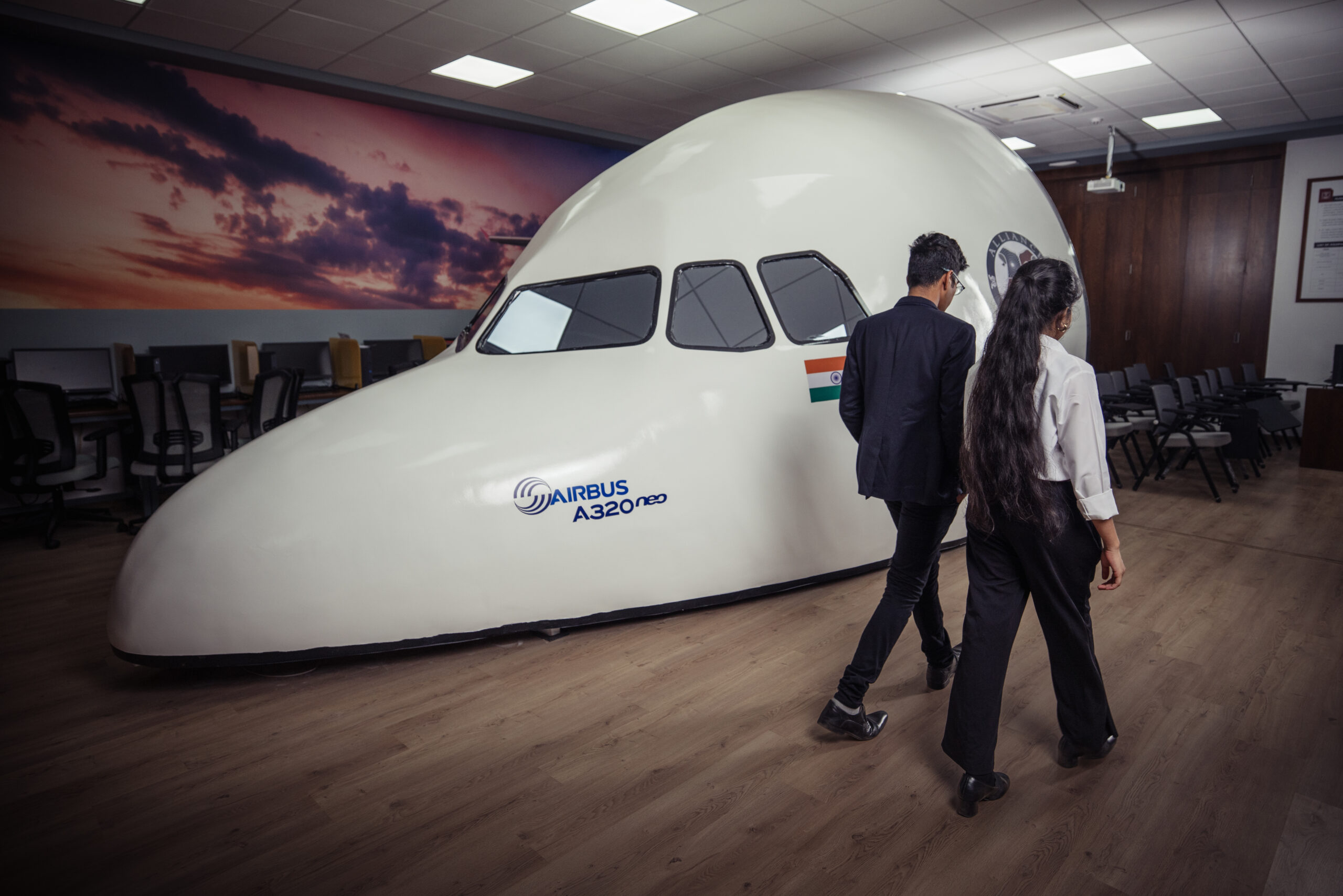
Train on advanced multi-engine and VR flight simulators to understand real-world flight dynamics.
Operational Aircraft Exposure
Participate in maintenance and cockpit operation sessions with active aircraft systems, gaining practical exposure.
Global Industrial Internship Network
Engage in industrial internships at major airports and airlines across India and abroad.
Strategic Aviation Hub Advantage
Study in Bengaluru — India's aviation and technology hub — within an internationally diverse academic community.
Comprehensive Sector Leadership
Graduate with technical expertise, leadership ability, and safety awareness for roles across the aviation sector.
Course Category
Critical Thinking FC
Markets & Society FC
Law, Justice, and the Indian Constitution FC
Science of Happiness FC
Philosophy of Science FC
Great Works FC
Language Elective - I OEL

Course Category
Academic Writing FC
India in the Ancient and Modern World FC
Solving for Bharat FC
Politics and Economics FC
Narratives with Data FC
Mind, Behaviour, and Society FC
Language Elective - II OEL

Course Category
C Programming MC
Digital Logic Design MC
Information Security Fundamentals MC
Calculus MC
C Programming Lab MC
Open Elective OE
Internship / International Immersion IIP

Course Category
Python Programming MC
Python Programming Lab MC
Data Structures MC
Operating Systems MC
Universal Human Values UC

Course Category
Design and Analysis of Algorithms MC
Design and Analysis of Algorithms Lab MC
Database Management Systems MC
Track Specialization Course 1: UI Development / Security Operations Center (SOC) Analysis / Data Analytics / Data Science / Foundations of Swift Programming TS
Track Specialization Course 2: Web Application Development / Security Administration / AI / Machine Learning / Swift Programming-Story Board TS

Course Category
Computer Networks MC
Object-Oriented Programming MC
Track Specialization Course 3: Full Stack Development / Vulnerability Assessment / Cloud Computing / Swift Data Collection TS
Track Specialization Course 4: DevOps / Ethical Hacking and Penetration Testing / Internet of Things / Advanced Swift Data Collection TS
Environment Science & Disaster Management UC

Course Category
Cyber Security MC
Research Writing and Publication Ethics MC
Track Specialization Course 5: Mobile Application Development / Network Security Engineering / Blockchain / UI_UX Design for iOS Development TS
Research Methodology / Capstone Prep. DI/CP
Dissertation / Capstone Project - I DI/CP

Course Category
Software Engineering MC
Digital Forensics MC
Track Specialization Course 6: AI Integration in Web Applications / Application Security / Edge Computing / IOS Application\\\'s Security and Privacy TS
Dissertation / Capstone Project - II DI/CP

Course Categories:

UC : University Core | FC : Foundation Core | MC : Major Core | OE : Open Elective | OEL : Open Elective – Languages | SEC : Skill Enhancement Courses | TS : Track Specialization | DI/CP : Dissertation / Capstone Project | IIP : Industry Internship Program

University Core

University Core courses provide interdisciplinary and value-based education common to all undergraduate students across disciplines. These courses promote constitutional values, Indian knowledge systems, sustainability, critical thinking, entrepreneurship, and social responsibility as envisaged under NEP and UGCF guidelines.

Majors

Majors helps to focus an area of study within a broader perspective to develop vertical level knowledge and skills set. These specializations helps to gain deeper knowledge and practical skills in a particular field and improve career readiness by aligning education with industry needs

Minors

The Minor Pathways are designed to provide students with focused specialization beyond their core discipline, enabling them to build domain depth in emerging and high-demand technology areas. Introduced as a structured academic pathway from the second year onwards, minors allow learners to align their academic journey with career aspirations, industry trends, and interdisciplinary interests .

A key highlight of this framework is the flexibility offered to students to choose any minor track based on their interests and career goals, empowering them to personalize their learning journey and explore interdisciplinary domains without constraints.

The Minors framework emphasizes:
a) Specialized skill development in cutting-edge domains
b) Hands-on learning through labs, projects, and industry-aligned tools
c) Integration of certifications and real-world applications
d) Enhanced employability through domain-focused expertise
By complementing the Program Core with targeted specialization, the Minor Pathways empower students to graduate with multi-dimensional competencies, making them adaptable, future-ready professionals capable of thriving in dynamic and technology-driven environments.

Minors List

  • Aeronautics
  • Astronautics
  • Unmanned Aerial Vehicles (UAV)
  • Avionics
  • Structural Engineering
  • Geoenvironmental & Infrastructure Engineering
  • Nature Based Solutions
  • Sustainable Technology
  • Smart Systems
  • Game Development
  • Business Systems
  • Quantum Computing
  • Data Science
  • Software Product Development
  • Artificial Intelligence & Futuristic Technologies
  • Artificial Intelligence & Machine Learning
  • Cyber Security
  • iOS Application Development
  • Data Engineering
  • Full Stack Development
  • Cloud Computing
  • Natural Language Processing and Text Analytics Systems
  • Computer Vision and Image Analysis
  • AI in Autonomous Systems
  • Blockchain Technologies
  • Internet of Things
  • DevOps
  • Immersive Technology
  • Advanced AI and Blockchain
  • AI for Healthcare and Life Sciences
  • AI for Robotics and Automation
  • Cybersecurity and Privacy in AI
  • Data Analytics
  • Embedded System and IoT
  • Next Generation Wireless Communication Systems
  • VLSI Design
  • Bio Medical Engineering
  • Automotive Electronics
  • Semiconductor Technology
  • Electric Vehicle Technology
  • Energy Management and Audit
  • Smart Grid and E-Mobility
  • Green Technology
  • Robotics and Automation
  • Smart Manufacturing Technology
  • Performing Arts and Creative Technologies
  • Business Studies
  • Computer Science
  • Data Science
  • Economics
  • Fine Arts
  • Literary & Cultural Studies
  • Media & Film Studies
  • Political Science
  • Psychology
  • Sociology
  • Chemistry
  • International Relations
  • Mathematics
  • Philosophy
  • Physics
  • Public Policy
Double Major Pathway

Within the Liberal Arts programme, students also have the opportunity to pursue a Double Major pathway, enabling them to combine their primary major with a second disciplinary area chosen from the eligible majors within the programme. This option is designed for students who wish to build depth in one field while developing substantial knowledge and competencies in another, reflecting the interdisciplinary spirit at the heart of liberal arts education. The Double Major pathway encourages students to think across disciplinary boundaries and to approach contemporary questions with greater intellectual range, analytical flexibility, and creative problem-solving ability. This pathway is especially valuable for students seeking broader academic exposure, distinctive professional profiles, and greater flexibility for higher studies and emerging careers. By studying two majors, students are able to explore how ideas, methods, and perspectives from different fields can enrich one another and open up new ways of understanding the world. Whether the combination is rooted in the humanities, social sciences, business, the arts, media, or data-driven fields, the Double Major pathway prepares students to engage confidently with complex real-world challenges across sectors and disciplines.

Open Electives

Open Elective courses enable students to study subjects outside their primary discipline to encourage multidisciplinary learning and broader academic exposure. These courses help students acquire cross-functional knowledge, entrepreneurial understanding, and emerging industry-oriented competencies.

OE List

  • Financial Decision Making
  • HR Metrics and Benchmarking
  • Entrepreneurial Ventures
  • Personal Finance
  • Sustainability & Resource Optimization
  • Stock Market Investing
  • Global Governance
  • Entrepreneurial Marketing
  • Branding Strategies
  • Supply Chain Management
  • Bharatanatyam
  • Kuchipudi
  • Carnatic Music
  • Kathak
  • Introduction to Constitution of India
  • Data Protection and Privacy Laws
  • Global Internet Governance
  • Technology and E-Commerce Laws
  • Media & Entertainment Law
  • A Primer on Consumer Protection Law
  • Introduction to Human Rights Law
  • Right to Information – Law & Practice
  • Basics of Competition Law
  • Educational Policy, Planning, and Administration
  • Happiness Engineering
  • Qualitative Research for Social Sciences
  • Climate Finance
  • Disaster Risk Reduction
  • Design Thinking
  • Design for Social Good
  • Adobe Creative Suite – I (Photoshop)
  • Adobe Creative Suite – II (Illustrator, InDesign)
  • Digital Literacy and Emerging Technologies
  • Generative AI Concepts, Tools, and Creative Applications
  • Cybersecurity Awareness and Ethical Hacking Basics
  • Emerging Technologies and Their Societal Impact
  • Governing the Metaverse: Digital Sovereignty and Virtual Politics
  • Experimental Drawing: Beyond Traditional Boundaries
  • The Art of Seeing: Fundamentals of Visual Perception
  • Branding and Identity Design: Logos & Beyond
  • Community Engagement
  • Communicative English for the Workplace
  • Reading Popular Culture: Cinema, Comics, and Contemporary Media
  • Indian Economy
  • Psychology of Interpersonal Relationships
  • Human-Computer Interaction
  • Practical Ethics
  • Technology, Culture and Society
  • Global Minds, Local Hearts: Cultural Intelligence for the 21st Century
  • Introduction to Quantum Computing
  • Ethics of Artificial Intelligence
  • Philosophy for Beginners
  • Indian Writings in English
  • Green Chemistry
  • Audio-Visual Recording and Editing
  • Film Appreciation
  • The Art of Storytelling
  • Writing for the Contemporary: Communication in the Age of AI
  • Leadership Lessons from Literature, Theatre, and Cinema
  • Introduction to Drawing and Sketching
  • Calligraphy and Typography in Art
  • Conceptual and Contemporary Painting
  • Renewable Energy Sources
  • Technology Diplomacy
  • Automation in Daily Lives
  • Automotive Basics
  • Drone Applications
  • Building Interiors and Landscaping
  • Waste to Energy
  • Nature Based Solutions
  • Solving for Bharat
PEO (Program Educational Objectives)

PEO 1:
Graduates will acquire a strong foundation in aviation science, aeronautical principles, and regulatory frameworks to understand and manage aviation operations effectively.

PEO 2:
Graduates will apply technical, analytical, and problem-solving skills to support safe, efficient, and sustainable aviation operations across airlines, airports, air traffic control, and related domains.

PEO 3:
Graduates will demonstrate professional ethics, safety awareness, leadership qualities, and effective communication skills required for responsible roles in the aviation industry.

PEO 4:
Graduates will engage in lifelong learning and adapt to emerging aviation technologies, global regulations, sustainability practices, and advanced operational systems.

PSO (Program Specific Outcomes)

PSO 1:
Apply aviation-specific knowledge in aerodynamics, aircraft systems, navigation, meteorology, air traffic management, and aviation law to solve operational and safety-related problems.

PSO 2:
Demonstrate proficiency in aviation operations, simulation tools, safety management systems, and regulatory compliance aligned with national and international aviation standards.

PSO 3:
Exhibit industry readiness through internships, capstone projects, simulator training, and professional certifications, leading to aviation career pathways or higher studies.

PO (Program Outcomes)

PO1: Apply knowledge of science, mathematics, and aviation fundamentals to aviation-related problems.

PO2: Analyze aviation operational challenges using technical and analytical approaches.

PO3: Design solutions and operational strategies for safe and efficient aviation systems.

PO4: Conduct investigations, experiments, and simulations relevant to aviation science.

PO5: Use modern tools, simulators, and aviation software effectively.

PO6: Understand aviation laws, regulations, safety standards, and professional responsibilities.

PO7: Apply principles of environmental sustainability and safety management in aviation.

PO8: Demonstrate ethical conduct and safety-oriented professional behavior.

PO9: Work effectively as an individual and as a member of multidisciplinary aviation teams.

PO10: Communicate effectively through technical reports, documentation, and professional interactions.

Activity Points

Aviation club participation

Learn More
Foundation Core

The Foundation Core at the Alliance School of Liberal Arts is the academic bedrock of the undergraduate experience, designed to dismantle traditional disciplinary silos. During the initial stage of the program, students engage in a multi-dimensional curriculum that emphasizes critical thinking, literacy, and humanistic inquiry before they commit to a specific major.

Open Electives Languages (OEL)

Open Elective Language courses offer students the opportunity to learn additional languages and improve linguistic competence, communication effectiveness, cultural understanding, and professional interaction skills. These courses support multilingual learning and global employability.

OEL List

OEL–I: Language Foundations

  • French Language – I

  • German Language – I

  • Hindi Language – I

  • Kannada Nudi – I

  • Kannada Kaushala – I

  • Spanish Language – I

OEL–II: Language Proficiency Enhancement

  • French Language – II

  • German Language – II

  • Hindi Language – II

  • Kannada Nudi – II

  • Kannada Kaushala – II

  • Spanish Language – II

Ability Enhancement Courses (AEC)

Ability Enhancement Courses are designed to improve students’ language proficiency, communication skills, environmental awareness, digital literacy, professional ethics, and personality development. These courses enhance employability, soft skills, and holistic development in alignment with multidisciplinary education objectives.

Skill Enhancement Courses (SEC)

Skill Enhancement Courses focus on practical, hands-on, and application-oriented learning aimed at developing industry-relevant competencies, technical skills, vocational abilities, and professional readiness. These courses emphasize experiential learning, tools, software applications, internships, and problem-solving capabilities.

Track specializations

Track specializations helps to concentrate on the appliction of a vertical skill set in a specific ecosystem. These specializations are structured to cultivate applied competencies and domain-specific expertise through an integration of experiential and outcome-based learning

Track Specializations List:

  • Full Stack Development
  • Cyber Security
  • Emerging Technology
  • iOS App Development

Undergraduate students in their fourth year may choose to pursue either a Capstone Project or a Research Dissertation. The key distinction between the two lies in their orientation and expected outcomes.

The Capstone Project is designed as an applied, practice-oriented pathway. Students opting for this route are expected to engage directly with an industry, organization, or institutional partner, ideally buiding upon their work during the internships in the earlier years. In consultation with the host organization, students will identify a real-world problem or challenge that is relevant to the organization’s context.They will develop and implement viable solutions as part of their Capstone Project. This process emphasizes practical problem-solving, professional engagement, and the application of disciplinary knowledge in real-world settings.

In contrast, the Research Dissertation is intended for students who wish to undertake an academically rigorous, inquiry-driven research project. This pathway focuses on the formulation of a research question, engagement with relevant theoretical frameworks, and the application of appropriate research methodologies to produce a sustained piece of scholarly work.

Together, these options provide students with the flexibility to choose between applied and research-oriented pathways, allowing them to align their final-year work with their academic interests, professional goals, and future trajectories.

The Course of Independent Study (CIS) is a distinctive 3-credit academic pathway that offers students a valuable opportunity to engage in research-oriented learning through a faculty-mentored project in place of one course within their curriculum. Designed to nurture intellectual curiosity, innovation, and critical thinking, the course enables students to immerse themselves in hands-on research through laboratories, field-based work, or Centres of Excellence. Under close faculty guidance, students identify research problems, pursue structured inquiry, and develop meaningful academic outcomes. Credits are earned through consistent progress, active participation in review milestones, successful completion of the project, and the preparation and submission of a research paper to a Scopus-indexed journal, conference, or other approved scholarly platform—positioning students for early exposure to high-quality research and scholarly contribution.

After the completion of semesters 2 and 4 respectively, students must choose to either undertake an internship or participate in an international immersion program.

The internship opportunity after semester 2 is designed as a social internship, through which students may explore and understand society at large by engaging with the activities and concerns of social organizations, governmental or quasi-governmental entities, and similar enterprises. Through this engagement, students are expected to develop a grounded understanding of social realities, public policy frameworks, and community-level challenges, while also cultivating empathy, ethical awareness, and civic responsibility. By participating in field-based activities, students gain exposure to real-world problem-solving contexts and are encouraged to reflect critically on broader issues such as inequality, sustainability, public health, education, and social justice.

Alternatively, students may opt for an international immersion program, which offers a structured opportunity to engage with global academic and cultural environments. These immersion programs, typically organized in collaboration with partner institutions abroad and led by faculty member(s) from Alliance University, may include short-term coursework, workshops, cultural exchange activities, and exposure visits. Through this pathway, students are introduced to diverse pedagogical practices, cross-cultural perspectives, and global discourses relevant to their field of study. Students benefit from interactions with international peers and faculty, exposure to new academic frameworks, and participation in experiential learning modules that extend beyond the traditional classroom. Such engagements are designed to broaden intellectual horizons and prepare students for increasingly globalized professional and academic environments.

At the end of semester 4, students are again presented with a similar choice, enabling them to either deepen their engagement through an advanced internship or pursue further international exposure. The advanced internship is oriented towards more specialized training within the student’s chosen discipline, offering opportunities to work with organizations, businesses, and related institutions in a focused capacity. This stage emphasizes skill development, professional orientation, and applied learning aligned with the student’s academic interests.

This flexible framework ensures that students can align their experiential learning pathways with their academic goals, career aspirations, and personal inclinations. Together, these opportunities balance local engagement with global exposure, equipping students with the knowledge, skills, and perspectives required to navigate complex social and professional landscapes.

STUDY ABROAD OPTIONS

International Mobility

Experience global education through our international study opportunities designed to broaden academic perspectives and cultural understanding. These programmes enable students to study at partner universities abroad, gain international exposure, and develop the global competencies needed to succeed in an interconnected world.

Learn More

An opportunity that lets students begin their degree at Alliance University (1 or 2 years) and then transfer to a foreign university to complete and earn their degree internationally.

Explore the World: Study a semester abroad, earn transferable credits, and gain global insights while experiencing a new culture and expanding your skills.

An exciting immersion opportunity for Alliance University students to engage with leading multinational companies and innovative startups, offering a unique blend of global learning and practical work exposure abroad, all within just 7 to 14 days.
Short-term programmes lasting 2 to 4 weeks offer students an ideal opportunity to gain international exposure without disrupting their academic schedule.

Learn More

Alliance University welcomes students from across the world to study, collaborate, and thrive in a truly global learning ecosystem. We combine academic rigour with industry exposure, modern infrastructure with personalised support, and global perspectives with Indian values.

Learn More

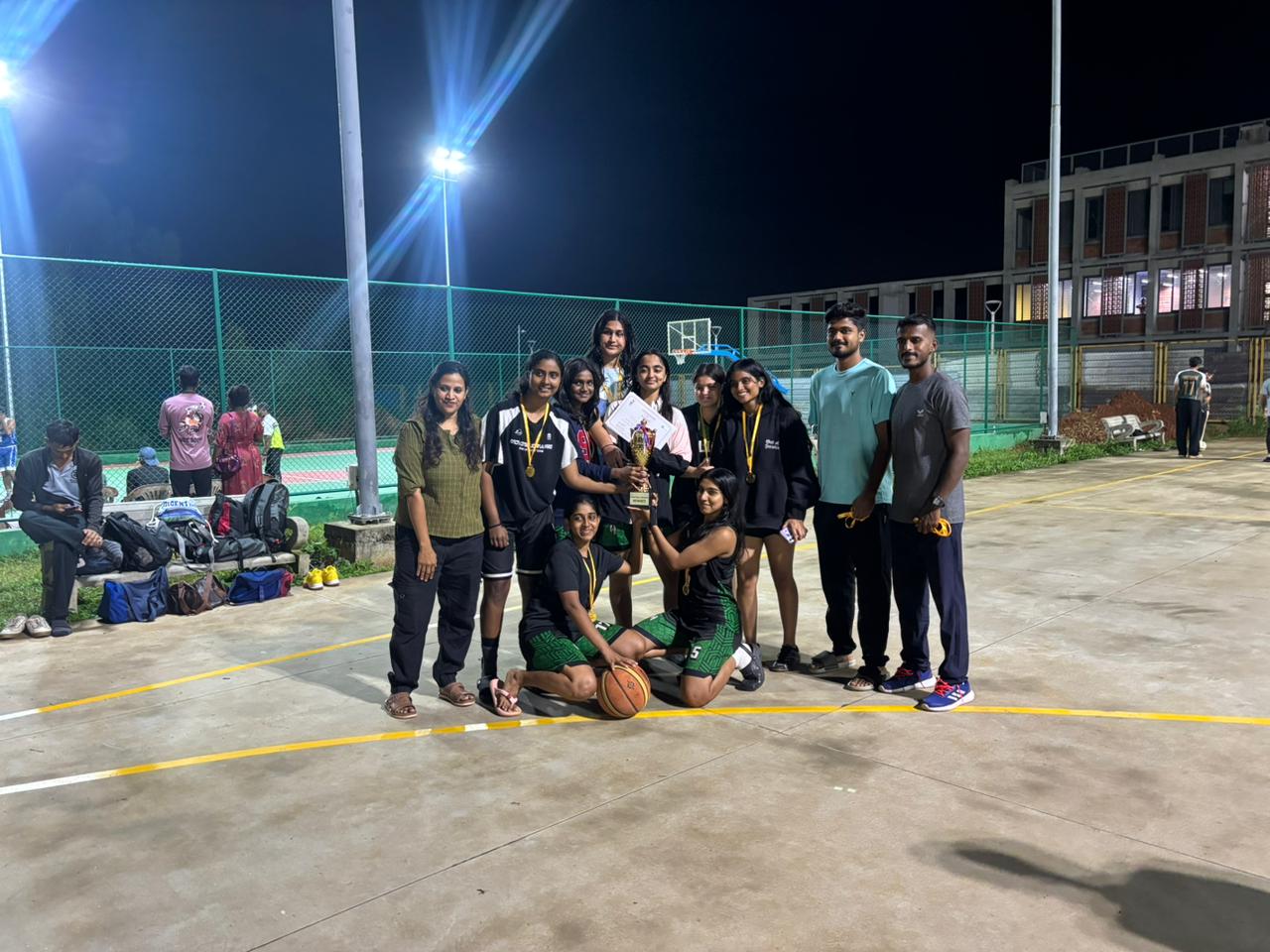
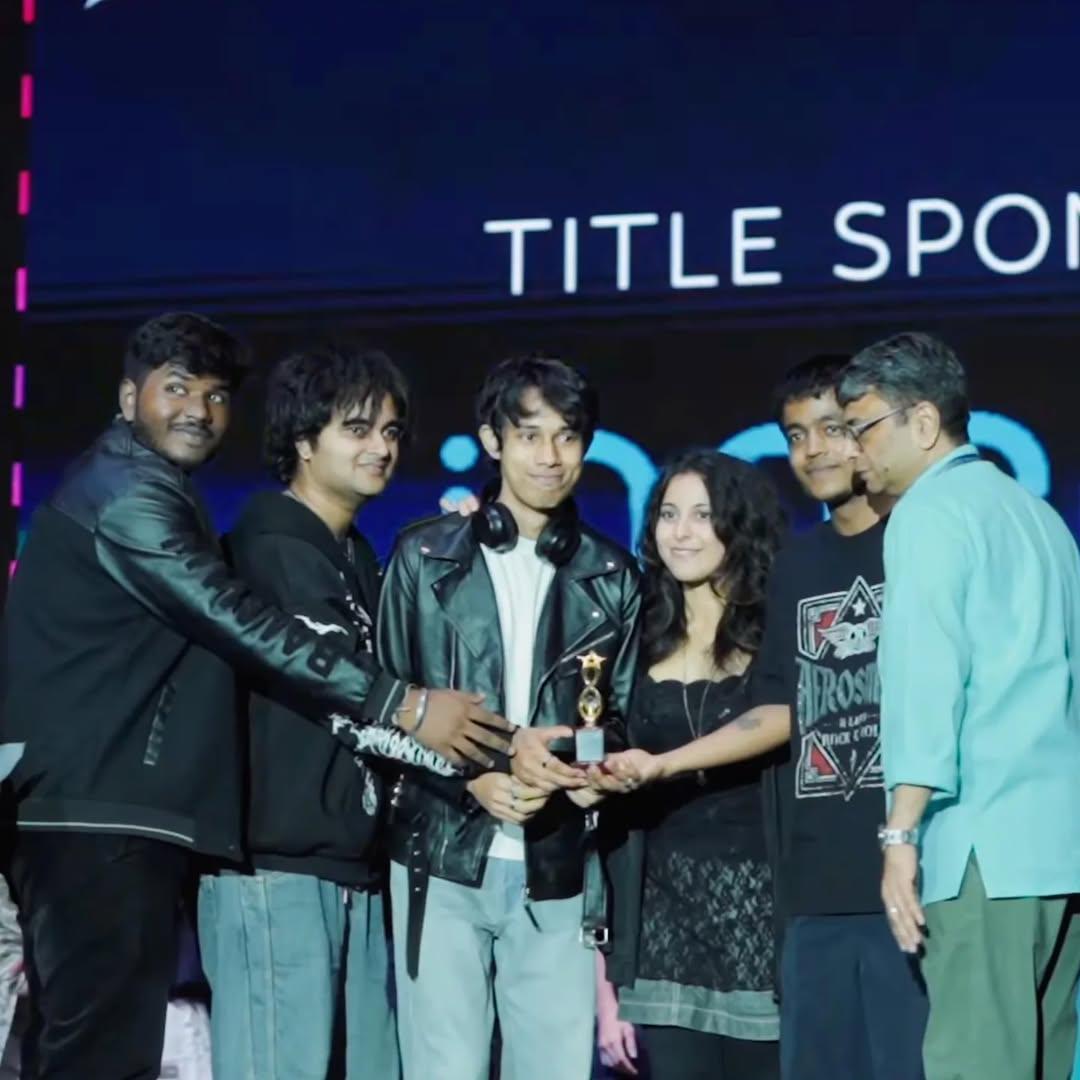
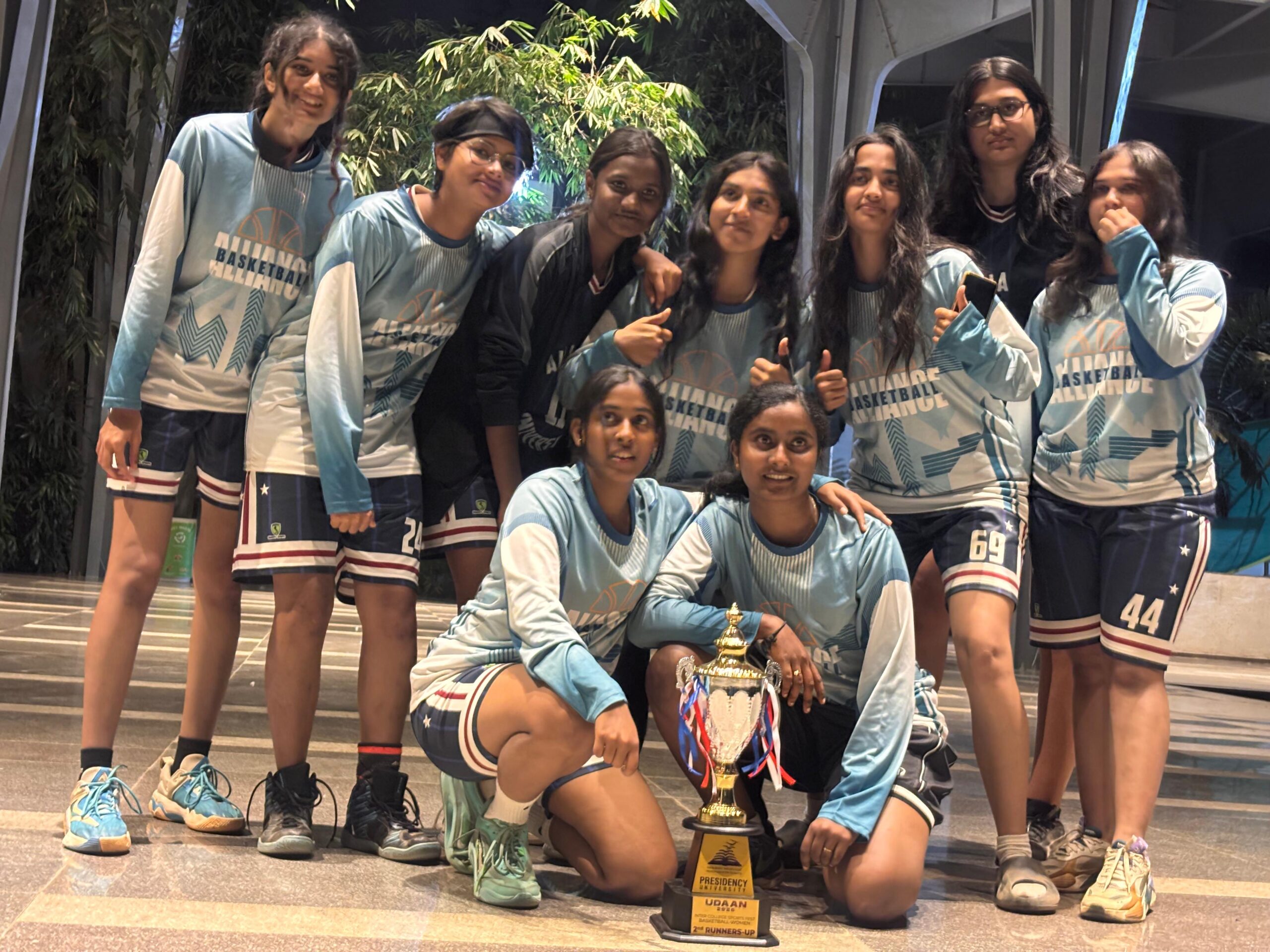
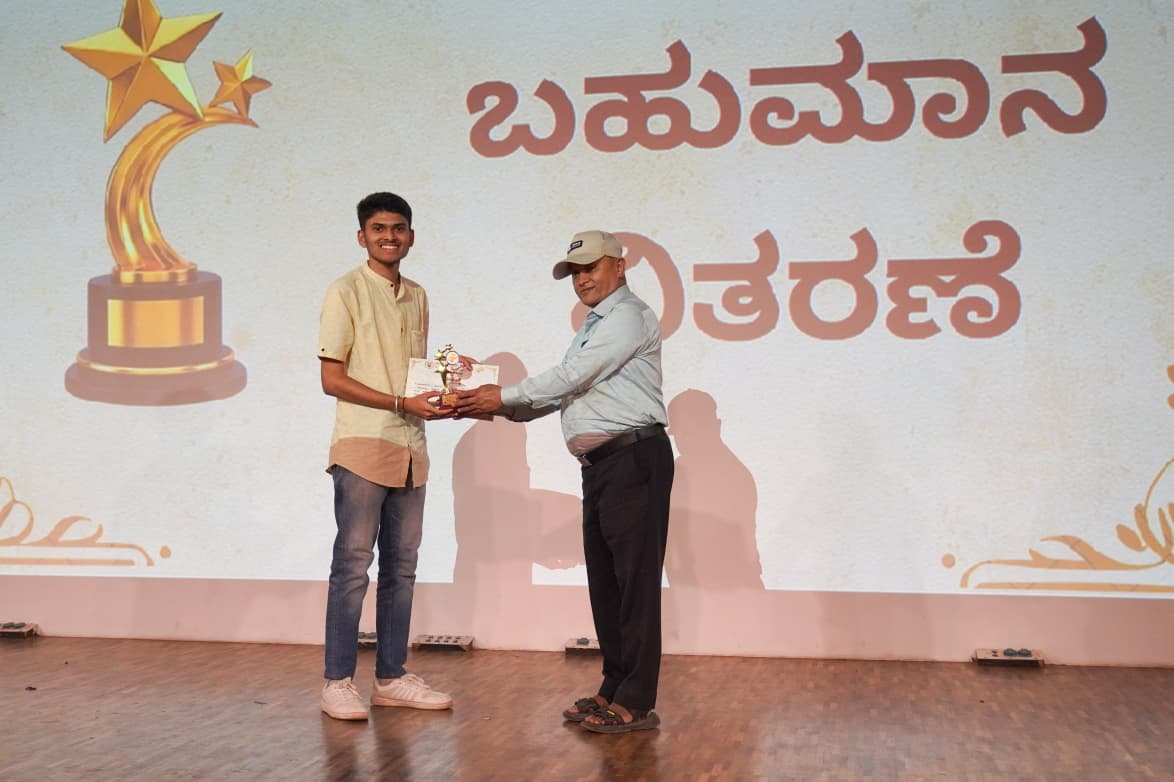
Recognising Effort, Celebrating Success

Category Eligibility Criteria
General – Passed 10+2 from a recognized Board / Council – Minimum 50% aggregate marks – Science stream preferred (Physics & Mathematics desirable)
Reserved Categories (SC/ST) – 5% relaxation in minimum marks (i.e., 45% instead of 50%)
Program duration
Entry Level Program Duration
Entry Level Three Years / Six Semesters

Particulars Indian Nationals Foreign Nationals
Registration Fee (Fee for Learners Value Proposition Course Virtual) ₹25,000 US$500
First Installment ₹2,75,000 US$3,650
Second Installment ₹3,00,000 US$4,150
Third Installment ₹3,00,000 US$4,150
Total Program Fee (Includes registration + all installments) ₹9,00,000 US$12,450


Category Eligibility Scholarship
Academic Excellence Class X & XII ≥ 95% 50% Tuition Fee Waiver
AUSAT AUSAT ≥ 90% + XII ≥ 80% 25% Tuition Fee Waiver
AUSAT AUSAT ≥ 80% + XII ≥ 75% 15% Tuition Fee Waiver
AUSAT AUSAT ≥ 70% + XII ≥ 70% 10% Tuition Fee Waiver
AUSAT AUSAT ≥ 90% + XII ≥ 60% ₹50,000 Freeship
AUSAT AUSAT 80–89.99% ₹25,000 Freeship
CUET CUET ≥ 90% 30% Tuition Fee Scholarship
CUET CUET 80–89.9% 20% Scholarship
CUET CUET 70–79.9% 15% Scholarship
IPMAT ≥ 90 Percentile 50% Waiver
IPMAT ≥ 80 Percentile 25% Waiver
IPMAT ≥ 70 Percentile 15% Waiver
Inclusion Support SC / ST ≥ 70% 20% Waiver
Inclusion Support Differently-Abled ≥ 50% 50% Waiver
Inclusion Support Defence / Paramilitary ≥ 70% 15% Waiver
Inclusion Support International-Level Sportsperson 100% Waiver
Inclusion Support National-Level Sportsperson 50% Waiver
Inclusion Support Domicile ≥ 70% 5% Waiver
Policy Conditions Scholarships are subject to committee review; limited freeships available
Learn more
Steps Description
Step 1 Submit Online Application
Step 2 Pay Application Fee — ₹1000 (US$50 for foreign nationals)
Step 3 Appear for AUET – Alliance University Entrance Test
Step 4 Personal Interview
Step 5 Final Selection based on overall performance
Start your application now

Living Spaces That Inspire Belonging

EXPLORE OUR HOSTELS

Comfort, safety, and community form the foundation of campus living. Our residential halls are thoughtfully designed to create a sense of belonging—offering a welcoming environment where students can study, unwind, and build lifelong friendships.

Separate hostels
for boys and girls

Student-friendly
common areas

Spacious rooms
(single, double, or triple occupancy)

Dedicated wardens
and support teams

residential-image-update

Real Stories, Real Impact

STUDENT
No testimonials found.

Everything You Need to Know

What is the difference between B. Sc. in Aviation and BBA in Aviation Management?
A B. Sc. in Aviation is a science-based program focusing on technical aviation subjects like navigation and aircraft systems, while a BBA in Aviation Management emphasises business, operations, and management roles. A B.Sc. suits technical aviation careers, whereas a BBA suits managerial aviation careers.
Is the B. Sc. in Aviation program aligned with DGCA standards?
Yes. The B. Sc. in Aviation program is designed to align with DGCA guidelines and aviation industry requirements. The curriculum covers aviation regulations, safety, navigation, meteorology, and operational standards relevant to DGCA-compliant aviation careers.
What are the placement opportunities after completing the degree?
Graduates can find placements in airlines, airports, ATC support services, aviation training institutes, ground handling agencies, and aviation operations firms. Placement opportunities depend on specialisation, internships, and skill development achieved during the program.
Can I pursue pilot training after completing a B. Sc. in Aviation?
Yes. After completing a B. Sc. in Aviation, students can pursue pilot training separately. The program offers structured CPL training pathways through DGCA-approved flight schools, allowing graduates to transition smoothly into professional pilot training after their degree.
Can I do a B. Sc. Aviation after 12th?
Yes. A B. Sc. in Aviation can be pursued after completing 12th grade, typically with Physics and Mathematics from a recognised board or council. Students from science backgrounds meeting eligibility criteria can apply directly and begin their aviation-focused academic and technical training.
Can I become an ATC after a B. Sc. in Aviation?
A B. Sc. in Aviation provides foundational aviation knowledge, but becoming an Air Traffic Controller requires clearing specific ATC entrance exams and meeting DGCA or AAI criteria.
Can I become a pilot after a B. Sc. in Aviation?
Yes, B.Sc. Aviation is an excellent foundation for pilot training. After completing the degree, students can enroll in CPL programs, meet DGCA medical and academic requirements, and progress toward becoming commercial pilots.
What is a B.Sc. in Aviation?
B. Sc. in Aviation is a science-based undergraduate program covering aircraft systems, navigation, meteorology, aviation safety, and operations. B. Sc. in Aviation is a technical degree that prepares students for careers in aviation operations, training, and further professional certifications.
Can I get a job after a B. Sc. Aviation?
Yes. Graduates can secure roles in airport operations, flight operations support, aviation training institutes, safety departments, and ground services. Job opportunities depend on skills, internships, and specialisation pursued during the program.
Who is eligible for the B. Sc. Aviation?
Eligibility typically requires 10+2 in Physics and Mathematics from a recognised board. Candidates must meet minimum academic and medical standards set by the university and aviation authorities to enroll in the program.
What is the duration of a B.Sc. in Aviation?
B. Sc. Aviation is generally a three-year undergraduate program divided into six semesters.
What are the core subjects and technical modules taught in this program?
The program covers aerodynamics, aircraft systems, air navigation, meteorology, aviation safety, regulations, and human factors. These subjects provide strong technical grounding aligned with the aviation industry and DGCA standards.
Is physics and mathematics mandatory for admission to the B. Sc. Aviation / Aeronautical Science?
Yes. Physics and Mathematics are mandatory for admission to the B. Sc. Aviation program. These subjects are essential for understanding aerodynamics, navigation, aircraft systems, and performance calculations.
What practical training, labs, or simulator sessions are included in the program?
A B. Sc. in Aviation includes aviation labs, navigation exercises, simulator sessions, safety drills, and industry visits. The program provides hands-on exposure through practical training to help students understand real-world aviation operations and technical applications.
Can international students apply for the B. Sc. Aviation / Aeronautical Science program?
Yes, international students can apply, subject to eligibility criteria and visa regulations. Alliance University welcomes international applicants and provides academic support aligned with global aviation education standards.
What is the duration of the program? +

Three years (six semesters).

Is this program technical and industry-oriented? +

Yes. It integrates aviation science theory, simulation-based training, aircraft familiarisation and industry internships.

Who delivers aviation training? +

Aviation specialists via MH Cockpit Aviation partnership.

What careers can graduates pursue? +

Pilot pathway, ATC support, airline operations, airport management, aviation safety, ground operations, flight dispatch and aviation services.

Do students train using simulators? +

Yes, including multi-engine and VR simulators.

Is internship compulsory? +

Yes, through aviation-industry tie-ups.

Are global aviation standards covered? +

Exposure to DGCA regulatory frameworks and global aviation practices.

Can international students apply? +

Yes.

What is the eligibility requirement? +

10+2 with minimum 50% aggregate.

What is the admission process? +

AUET + Personal Interview + academic profile review.

AU