Brief Overview

Bachelor of Design (BDes) - Interaction & User Experience Design

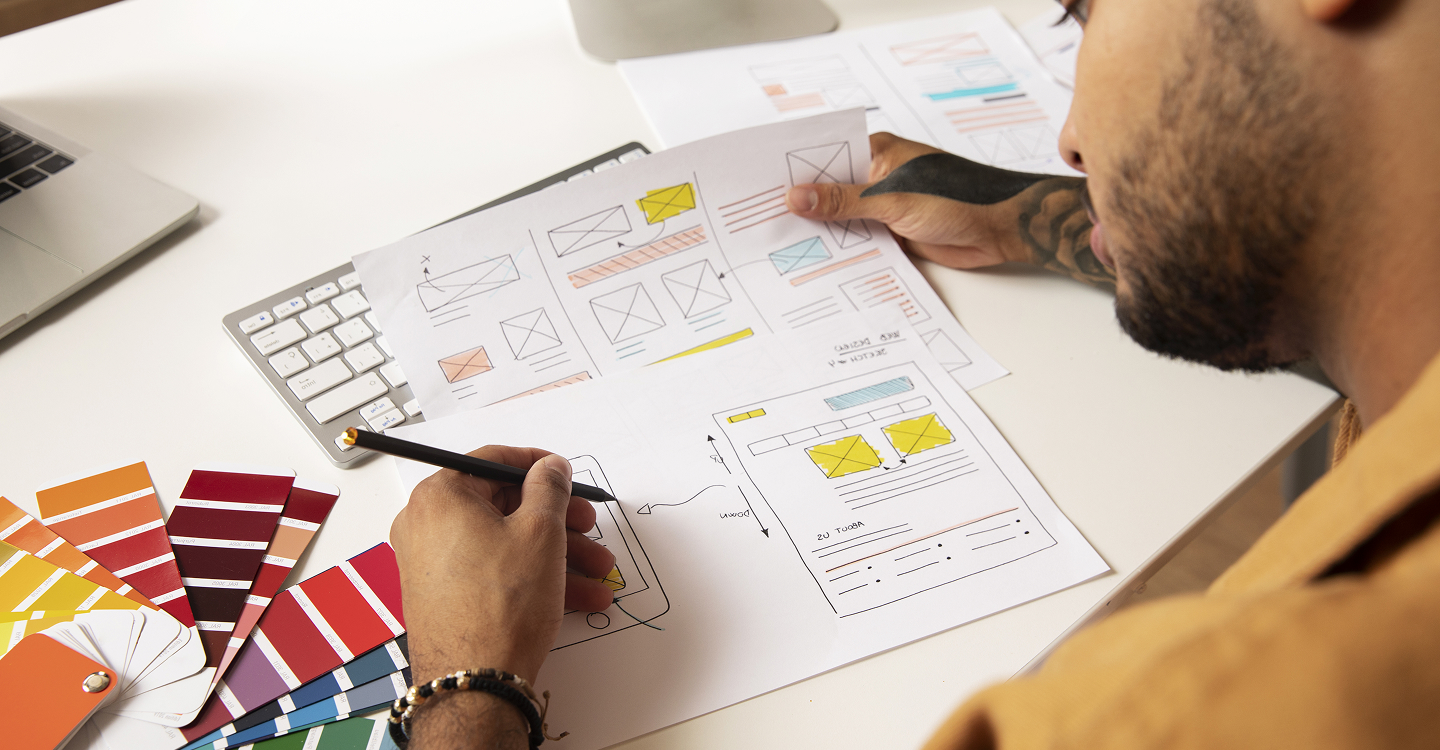
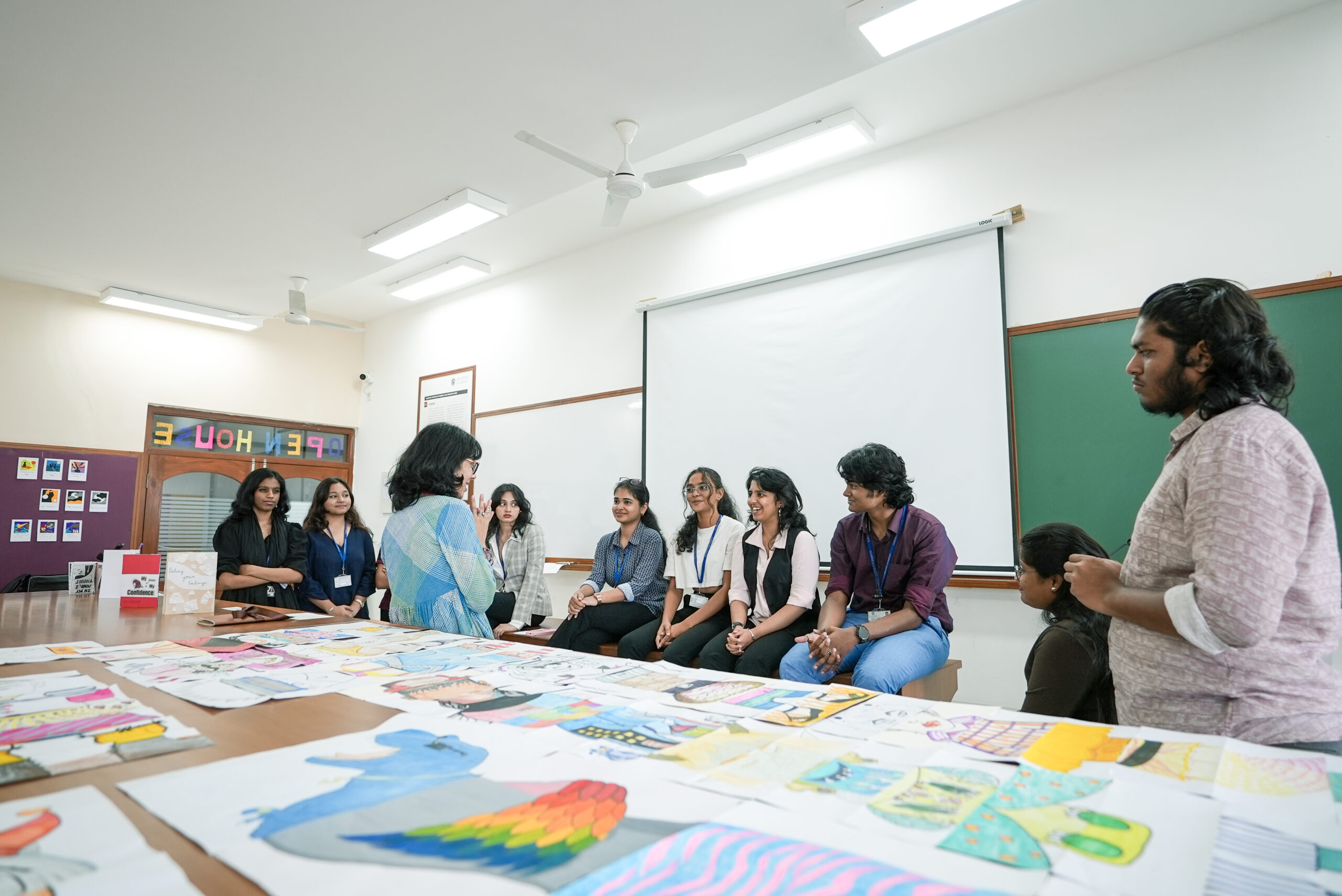
Embark on a design journey with this transdisciplinary, innovation-led, four-year undergraduate programme in Interaction and User Experience Design. Offering a technology-integrated, hands-on learning experience, the course is guided by experienced faculty from prestigious institutions across the globe. Students will learn to design interactive digital experiences using cutting-edge technologies and interfaces. Explore psychology, user behaviour, and digital culture to gain a deeper understanding of how people interact with technology. Additionally, engage in creative coding while delving into the expanding realms of AI, machine learning, and extended reality. Through contemporary theory, immersive projects, and live industry collaborations, students develop critical thinking, creativity, and curiosity, gaining the skills necessary to become exemplary interaction designers. With access to state-of-the-art facilities, such as immersive media design labs, usability testing labs, and experiential digital design labs, students are equipped with the tools and technologies needed to create engaging, user-friendly digital experiences that are both innovative and responsive to user needs.

Duration

Four Years / Eight Semesters
PEO (Program Educational Objectives)

PEO 1: Students will gain a comprehensive understanding of the core concepts and
theories in interaction design, including user-centered design, information architecture,
interface design, interaction design patterns, and prototyping and testing methodologies.
Course Catalogue

PEO 2: Students will learn how to apply creative thinking and problem-solving skills to
design innovative and effective solutions to user problems. This includes brainstorming,
sketching, wireframing, and prototyping.

PEO 3: Students will stay up to date with the latest trends and technologies in interaction
design, including responsive design, augmented reality, and artificial intelligence.

PEO 4: Students will be able to develop their creative, lateral direction, and inventive
thinking as well as their interpersonal and emotional intelligence.

PSO (Program Specific Outcomes)

PSO1. Graduates Instil design thinking methodologies to approach problem-solving creatively and empathetically, fostering innovation in interaction design processes.

PSO2. Graduates will takeaway how to design intuitive and engaging interactions between users and digital interfaces, focusing on usability and accessibility.

PSO3. Graduates will get to know prototyping and wireframing techniques to quickly iterate and test design ideas before implementation, utilizing tools such as Adobe XD, Sketch, and Figma.

PSO4. Graduates are equipped with the skills to design cohesive user experiences across multiple platforms and devices, including desktop, mobile, and emerging technologies such as wearable devices and voice interfaces.

PO (Program Outcomes)

PO 1: Disciplinary/Interdisciplinary Knowledge: Apply the knowledge of design principles,
technical proficiency, creative problem-solving research aptitude, and portfolio development
to address complex design challenges, foster innovation, and adapt to rapidly evolving
world.

PO 2: Complex Problem Solving: Ability to resolve complex design problems using various
methods and tools of design process, critical analysis and synthesis, creative thinking, usercentered design, design research, prototyping and reflection.

PO 3: Critical Thinking: Ability to independently and deeply - analyze design problems,
research, examine and evaluate concepts, provide constructive critique, consider contexts,
debate contrarian views, prioritize, base decisions on evidence, to create and develop well
considered design outcomes.

PO 4: Creativity: Ability to generate new innovative ideas, experiment with new techniques,
refine and creatively reframe design concepts, and problems and develop creative solutions
and outcomes.

PO 5: Communication Skills: Ability to communicate visually and aesthetically, deliver
engaging presentations, articulate clearly, participate in constructive critique, communicate
with clients and teams, and navigate cross-cultural contexts.

PO 6: Analytical Reasoning / Thinking: Ability to break down complex problems, analyze
information, think broadly and critically, and use evidence to validate concepts and make
informed decisions.

PO 7: Research skills: Ability to conduct research effectively using various methodologies,
prioritize user-centeredness and contextual understanding, and validate design problems to
create solutions informed by evidence and trends.

PO 8: Coordinating and collaborating: Exhibit adeptness in collaborating with diverse
teams, negotiating coordinated efforts, taking tasks, and efficiently working as part of a
group towards a common creative goal.

PO 9: Leadership readiness/qualities: demonstrate skills and qualities required to proactively engage, autonomously self-direct, creatively lead, take risks, seek-out knowledge and
provide solutions, develop vision and direction and excel as design leaders in the industry.

PO 10: Learning Skills: Ability to acquire new skills and knowledge adaptively and
independently throughout their careers.

PO 11: Digital and Technological Skills: Equip graduates with proficiency in contemporary
digital tools and technologies to stay relevant and drive creativity, industry excellence and
innovation.

PO 12: Multi-cultural competence & inclusive spirit: Ability apply universal design
principles. design with sensitivity, empathy, and respect, for diverse cultures and
communities across various geographies.

PO 13: Value Inculcation: Cultivating designers with a strong ethical foundation, fostering
responsible creativity, and promoting socially conscious practices within the design industry.

PO 14: Authority, responsibility & accountability: Ability to effectively navigate authority,
embrace responsibility, and uphold accountability in their creative processes,

PO 15: Environmental Awareness and Action: Exhibit acquired knowledge, skills, attitudes,
and values to proactively address environmental challenges, including mitigating
degradation, climate change, and pollution, implementing effective waste management, and
promoting sustainable development and living.

PO 16: Community Engagement and Service: Ability to actively engage in community
service and activities, leveraging their skills to contribute to the well-being and enhancement
of society at large.

PO 17: Empathy: Ability to empathize with and comprehend the perspectives, experiences,
and emotions of individuals or groups within the design context.

Curriculum Structure

Year 1
Semester-wise Syllabus
First Semester:
  • Design Drawing - I
  • Geometric Construction - I
  • Fundamentals Of Design
  • Material Studies - I
  • History of Design - I
  • Digital Tools - 1
  • Environmental Studies - I
  • Open Elective (Language) - I
Second Semester:
  • Visualization & Representation
  • Geometric Construction - II
  • Space Form & Structure
  • Design Process
  • Digital Tools - II
  • Material Studies II
  • Social Internship
  • Open Elective (Language) - II
Year 2
Semester-wise Syllabus
Third Semester:
  • Fundamentals of Communication Design
  • Ergonomics
  • Interaction Design - I
  • Design Project - I (IxD)
  • History of Design - II (IxD)
  • Photography
  • Basic CAD - I (IxD)
  • Environmental studies - II
Fourth Semester:
  • Psychology of UX Design
  • Creative Coding
  • Interaction Design - II
  • Design Project II (IxD)
  • Programme Elective-1
  • Basic CAD - II (IxD)
  • Indian Constitution
  • Design for Emerging Tech
Year 3
Semester-wise Syllabus
Fifth Semester:
  • Advanced Prototyping
  • Interactive Storytelling
  • Usability Testing Methods
  • Design Project - III (IxD)
  • Craft Documentation
  • Advanced CAD (IxD)
  • Professional Practices
  • Open Elective - I
Sixth Semester:
  • Phygital Experience Design
  • Immersive Experience Design
  • Design Futures
  • Visualization for Extended Realities
  • Design Project - IV (IxD)
  • Game Design
  • Dissertation
Year 4
Semester-wise Syllabus
Seventh Semester:
  • Service Design
  • Systems Design
  • Contemporary HCI
  • Design Project - V (IxD)
  • Product Strategy & Design Management
  • Internship
  • Programme Elective-2
  • Open Elective
Eighth SemesterL
  • Graduation Research Project
Academic Edge /<br> Minor Options
Semester-wise Syllabus
Language and Communication Digital Fluency Data Skills Societal Orientation Life Skills LBCR
French / Spanish / German Information Literacy & Online Search Strategies Understanding & Visualizing Data using MS Excel Individual and Society Stress Prevention and Psychological First Aid Pottery
Communicative English Podcast Storytelling Mathematics in Nature (Modelling and pattern) Eastern and Western Societies Hope, Optimism and Resilience Music
Hindi Introduction to Video-Production Sequences & Series Human, Society, and Environment Decoding Success Painting
Introduction to Academic Writing Data Privacy and Technology Making sense of data Equity, Diversity and social inclusion Critical Thinking Co-curricular Activities
Public Speaking as Community Advocacy   Fundamentals of data analytics Youth Culture Personal finance (Indoor / Outdoor)
Language Education for Intercultural Citizenship   Data Privacy and Technology Gender and Society Legal Awareness Extension activities
Non-Verbal Communication     Advocacy, Social Justice and Change Essential Life Skills  
Collaboration     Digital Sociology    
Vyavaharika Kannada - 1 (For Students without Kannada Background)          
Vyavaharika Kannada - 2 (For Students without Kannada Background)          
Animationa and Film Design Communication Design Fashion Design Product Design Interior Design
Art for Animation Visualisation 1 (Graphic Composition & Layouts) Fabric Studies Product Visualization - I Working Drawing
Drawing for Animation Basics of Printmaking Fashion Thinking and Design Process Product Ergonomics & Semiotics Details and Construction
Scriptwriting and Storytelling Typography & Calligraphy Basics of Pattern Design Material & Processes - 1 (organic - wood, metal) Interior Design - Small Spaces (life sight)
Basic Graphic Design History of Communication Design Advanced CAD - Photoshop Product Prototyping Interior Services - I (Lighting and ventilation)
Storyboarding and Visualization Illustration Practices Fashion Illustration - I Design Project 1 (Simple Product CAD in interiors - I
Performing Art for Animation Design Project - 1 (Print Media) Fabric Ornamentation -1  Product Photography Interior Services - II (HVAC, Plumbing)
Technology for Animation Film Psychology of Communication Fashion Illustration - II  Product Visualization - I CAD in interiors - II
Character Design and Development Digital Tools – Premier / After Effects / Audition Clothing design - I (Draping) Material & Processes - 2 (inorganic - plastics etc) Textiles and Crafts in Interiors
Illustration & Rendering Techniques Moving Images Advanced CAD - Illustrator Advanced CAD and 3D Modeling Interior Design - Residence
Semiotics & Semantics Creative Storytelling Fashion Trend Forecast Design Project 2 - SDG Model making
Stop motion Animation Design Project 1 - Social Media Marketing Fashion Accessories design SDG and Design Furniture Design
Computer Aided Animation Portfolio Methods Fashion Styling  Portfolio Process Interior Design - Commercial
Film Appreciation and Criticism Vernacular Communication Portfolio development Advanced Manufacturing (large scale Interior Services - III (Accoustics)
Production & Postproduction Process  Information Design (Infographics & Way of finding Systems Fashion Marketing and Merchandising Design Enterprise (business plan) Construction Management (Estimation and costing
Design for Immersive Media Semiotics & Semantics   Design Project 3 - (Complex Product) Sustainability in Interiors
  Design for Ux/U   AR & VR Production Entrepreneurship and Professional Practices
  Design Futures   Game Design  
  Design for Emerging Tech (IoT, AI & ML, blockchain)    Design Project 4 (Phygital)  
? B. Des. INTERACTION DESIGN
NA
Creative Thinking
CAD
School of Design offers an interdisciplinary open elective that blends imagination with precision
The course introduces students to creative problem-solving methods, design thinking, and visual ideation, alongside hands-on training in Computer-Aided Design (CAD)
Learners explore how abstract ideas can be transformed into structured digital models using industry-relevant tools.
Designed for students across disciplines, the elective strengthens innovation skills, spatial thinking, and visual communication—empowering learners to confidently translate concepts into clear, professional design outcomes suitable for academic, entrepreneurial, and industry contexts.
Sed ut perspiciatis

Capstone Project

Capstone Project
The Capstone Project is a culmination of the design specialization, integrating research, critical thinking, and creative practice to address a real-world problem. It involves identifying a contextual design challenge, conducting user and stakeholder research, developing conceptual frameworks, and translating insights into innovative, socially responsive design solutions. The project demonstrates proficiency in design methodology, experimentation, visual communication, and reflective practice, while showcasing the ability to synthesize theory with practice.

UX/UI Design – Capstone Project
The UX/UI Capstone Project centers on designing intuitive digital experiences through user research, interaction design, and usability testing. Students define user needs, map journeys, create wireframes and interactive prototypes, and refine interfaces based on feedback. The project demonstrates a strong understanding of human-centered design, accessibility, and responsive systems across digital platforms.

Dissertation
Sed ut perspiciatis unde omnis
Dissertation
COURSE OF INDEPENDENT STUDY

Independent Study

NA

ACTIVITY POINTS

Activity Points

Content available in Activity Point Brochure

STUDENT
RECRUITER

My academic excellence and diploma medal earned through rigorous civil engineering projects in the department paved my path to becoming a top performer.

C Varshith Royal

Batch: 2021-25

C Varshith Royal

Strong fundamentals from department coursework gave me confidence to balance studies while building my successful business.

Kushal M Reddy

Batch: 2021-25

Kushal M Reddy

Outstanding project work and research aptitude in the civil department prepared me for master’s success at a foreign university.

Chirag B

Batch: 2018-22

Chirag B

Throughout my 4 years of engineering at ‘Alliance College of Engineering and Design’, I had countless opportunities to develop analytical skills, leadership and proactive thinking through various programs and events. These attributes were the key reasons because of which I was successfully placed at ‘ BYJUS-the learning app’, with a good package. Big thanks to all my faculty members and friends for this amazing journey at Alliance. My sincere appreciation & gratitude to the Career Advancement & Networking Department for their support and encouragement, this would not be possible without them.

Crisel Manisha D'Souza

Branch: Electronics and Communication / Batch: 2014-18

Crisel Manisha D'Souza

“Strong fundamentals from department coursework gave me confidence to balance studies while building my successful business.”

Kushal M Reddy

Batch: 2021-25

Kushal M Reddy

“Outstanding project work and research aptitude in the civil department prepared me for master’s success at a foreign university.”

Chirag B

Batch: 2018-22

Chirag B

“Practical training and innovation encouraged in department labs inspired me to launch my own engineering venture.”

Naveen E

Batch: 2018-22

Naveen E

My student life at Alliance University is one of the best time in my life and had its ups and downs. But overall I feel that studying at Alliance was a great learning experience every day that has helped me tackle professional problems with ease. The Career and Advancement Network office of Alliance University which has placed a number of students also laid a platform for me to get into Sunlux Technovations. I’m thankful for this opportunity for helping me through the process.

Suman M

Branch: Electronics and Communication / Batch: 2014-18

Suman M

It has been a great experience to be a part of Alliance University. It’s difficult to sum up the memories and experience of four years in few lines. There is something motivational and special in this environment and infrastructure which made us study and enjoy co-curricular activities. All the faculty and staff members are very helpful and they guided us all the time. Different events and sessions did boost my confidence to a great extent that I can experience at my workplace now. These four years have given me friends for life. It has been an unforgettable journey. I have spent my wonderful days of life in Alliance University. Thanks to all who have been a part of my life in encouraging me.

Shraddha Ravindra Parate

Branch: Aerospace / Batch: 2014-18

Shraddha Ravindra Parate

I chose Alliance University for my studies in bachelors. This university has provided me the platform to explore my abilities, skills and dynamic faculty members have helped me explore me a lot in my area of studies. International students and national students integration, multi-lingual friends, student-friendly environment is the plus point for the students to have a great time. I found the decision to study at Alliance was my best to upgrade my knowledge and skills. Excellent, experienced and approachable faculty members, friendly administration and extensive practical exposure is the asset of this University. Thank you Alliance for being a part of my life and for the wonderful experience for lifelong remembrance and good memories.

Shaik Mohammed Aftab Alam

Branch: Aerospace / Batch: 2014-18

Shaik Mohammed Aftab Alam
Hem Sevak
Hem Sevak
Shylendr R
Shylendr R
ALANA RAJ
ALANA RAJ
SASHMITHA S S
SASHMITHA S S
Shreya Goutham
Shreya Goutham
Bhoomika G S
Bhoomika G S
Anushree Chakraborty
Annie Rajasekaran
Annie Rajasekaran
Harman Singh
Harman Singh
Jayananthini T
Jayananthini T

“My academic excellence and diploma medal earned through rigorous civil engineering projects in the department paved my path to becoming a top performer.”

C Varshith Royal

Batch: 2021-25

C Varshith Royal
Program Eligibility Criteria

Eligibility Criteria

Available in ASOD brochure

STUDY ABROAD OPTIONS

Learn Across Borders

Experience global education through our international study opportunities designed to broaden academic perspectives and cultural understanding. These programmes enable students to study at partner universities abroad, gain international exposure, and develop the global competencies needed to succeed in an interconnected world.
Learn More