PO 1:
Disciplinary/Interdisciplinary Knowledge: Apply the knowledge of design principles, technical proficiency, creative problem-solving research aptitude, and portfolio development to address complex design challenges, foster innovation, and adapt to rapidly evolving world.
PO 2:
Complex Problem Solving: Ability to resolve complex design problems using various methods and tools of design process, critical analysis and synthesis, creative thinking, usercentered design, design research, prototyping and reflection.
PO 3:
Critical Thinking: Ability to independently and deeply - analyze design problems, research, examine and evaluate concepts, provide constructive critique, consider contexts, debate contrarian views, prioritize, base decisions on evidence, to create and develop well considered design outcomes.
PO 4: Creativity: Ability to generate new innovative ideas, experiment with new techniques, refine and creatively reframe design concepts, and problems and develop creative solutions and outcomes.
PO 5: Communication Skills: Ability to communicate visually and aesthetically, deliver engaging presentations, articulate clearly, participate in constructive critique, communicate with clients and teams, and navigate cross-cultural contexts.
PO 6: Analytical Reasoning / Thinking: Ability to break down complex problems, analyze information, think broadly and critically, and use evidence to validate concepts and make informed decisions.
PO 7:
Research skills: Ability to conduct research effectively using various methodologies, prioritize user-centeredness and contextual understanding, and validate design problems to create solutions informed by evidence and trends.
PO 8:
Coordinating and collaborating: Exhibit adeptness in collaborating with diverse teams, negotiating coordinated efforts, taking tasks, and efficiently working as part of a group towards a common creative goal.
PO 9:
Leadership readiness/qualities: demonstrate skills and qualities required to proactively engage, autonomously self-direct, creatively lead, take risks, seek-out knowledge and provide solutions, develop vision and direction and excel as design leaders in the industry.
PO 10:
Learning Skills: Ability to acquire new skills and knowledge adaptively and independently throughout their careers.
PO 11:
Digital and Technological Skills: Equip graduates with proficiency in contemporary digital tools and technologies to stay relevant and drive creativity, industry excellence and innovation.
PO 12:
Multi-cultural competence & inclusive spirit: Ability apply universal design principles. design with sensitivity, empathy, and respect, for diverse cultures and communities across various geographies.
PO 13:
Value Inculcation: Cultivating designers with a strong ethical foundation, fostering responsible creativity, and promoting socially conscious practices within the design industry.
PO 14:
Authority, responsibility & accountability: Ability to effectively navigate authority, embrace responsibility, and uphold accountability in their creative processes.
PO 15:
Environmental Awareness and Action: Exhibit acquired knowledge, skills, attitudes, and values to proactively address environmental challenges, including mitigating degradation, climate change, and pollution, implementing effective waste management, and promoting sustainable development and living.
PO 16:
Community Engagement and Service: Ability to actively engage in community service and activities, leveraging their skills to contribute to the well-being and enhancement of society at large.
PO 17:
Empathy: Ability to empathize with and comprehend the perspectives, experiences, and emotions of individuals or groups within the design context.












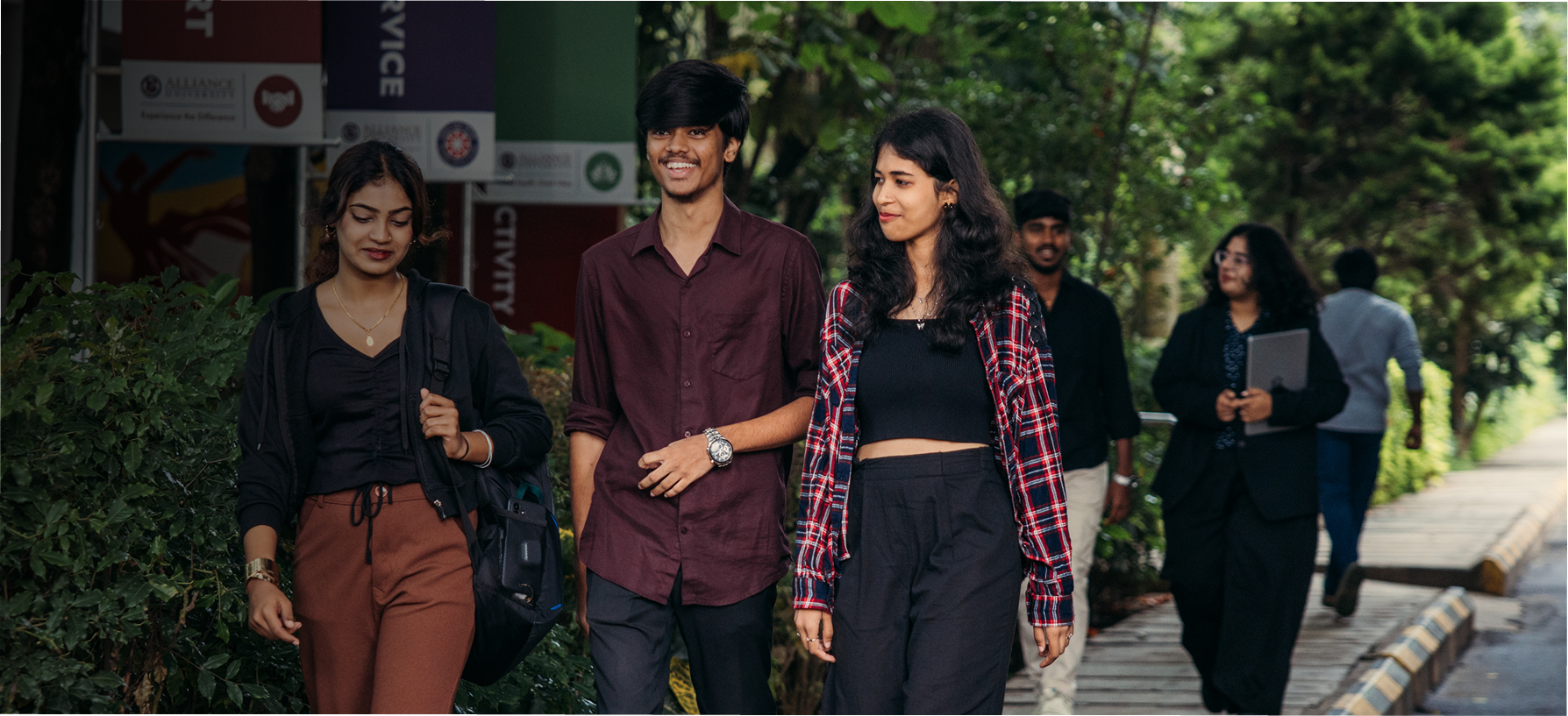









The Social Internship is a cornerstone of the undergraduate experience, designed to cultivate a deep sense of civic responsibility and empathetic leadership. By moving beyond the classroom, students engage directly with grassroots realities, bridging the gap between academic theory and the practical challenges faced by marginalized communities.
Core Objectives:
The program aims to transform students from passive learners into active contributors to society. Key objectives include:
Empathy & Value Creation: Developing a firsthand understanding of social disparities and building personal value systems rooted in service and respect.
Grassroots Exposure: Gaining insight into the complexities of rural and urban social issues, including inequality, environmental sustainability, and human rights.
Professional Skill Integration: Applying communication, problem-solving, and organizational skills in a non-corporate, mission-driven environment.